FREE CASE EVALUATION
 Elder Abuse and Neglect Warning Signs, Risk Factors, and Prevention

 Written by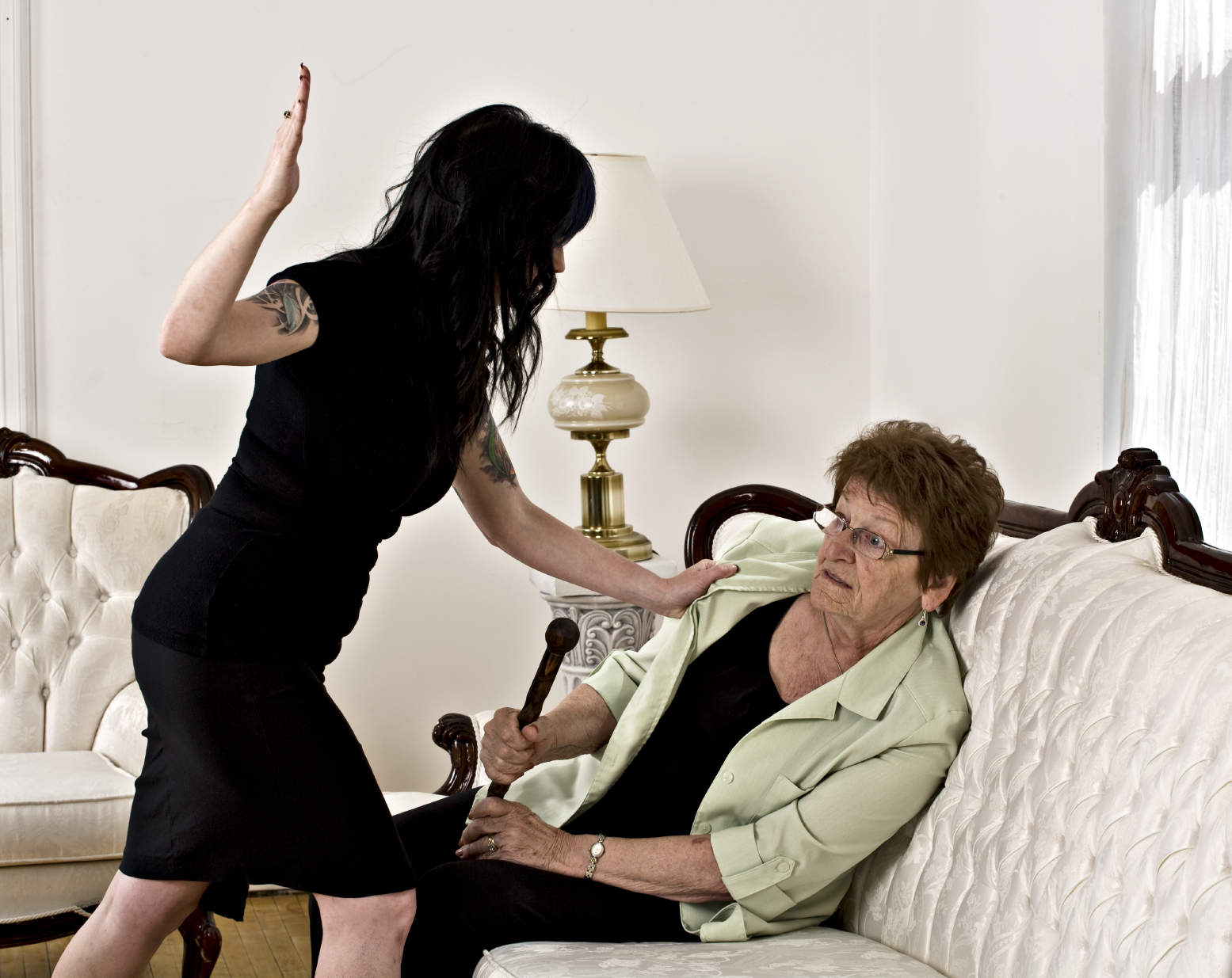
Watch for the Warning Signs of Elder Abuse
As elders become more physically frail, they’re less able to stand up to bullying and or fight back if attacked. They may not see or hear as well or think as clearly as they used to, leaving openings for unscrupulous people to take advantage of them. Mental or physical ailments may make them more trying companions for the people who live with them.
Tens of thousands of seniors across the United States are being abused, harmed in some substantial way often people who are directly responsible for their care. More than half a million reports of abuse against elderly Americans reach authorities every year, and millions more cases go unreported.
Where does Elder Abuse take Place?
Elder abuse tends to take place where the senior lives: most often in the home where abusers are apt to be adult children; other family members such as grandchildren; or spouses/partners of elders. Institutional settings, especially long-term care facilities, can also be sources of elder abuse says Los Angeles Elder Abuse Attorney Steven C. Peck.
Be Aware of the Different Types of Elder Abuse
Abuse of elders takes many different forms, some involving intimidation or threats against the elderly, some involving neglect, and others involving financial chicanery. The most common are defined below.
Physical Elder Abuse:
Physical elder abuse is non-accidental use of force against an elderly person that results in physical pain, injury, or impairment. Such abuse includes not only physical assaults such as hitting or shoving but the inappropriate use of drugs, restraints, or confinement.
In emotional or psychological senior abuse, people speak to or treat elderly persons in ways that cause emotional pain or distress.
Verbal forms of Emotional Elder Abuse Include:
- Intimidation through yelling or threats
- Humiliation and ridicule
- Habitual blaming or scapegoating
Nonverbal Psychological Elder Abuse can take the Form of:
- Ignoring the elderly person
- Isolating an elder from friends or activities
- Terrorizing or menacing the elderly person
Sexual Elder Abuse:
Sexual elder abuse consists of contact with an elderly person without the elder’s consent. Such contact can involve physical sex acts, but activities such as showing an elderly person pornographic material, forcing the person to watch sex acts, or forcing the elder to undress are also considered sexual elder abuse.
Neglect or Abandonment by Caregivers:
Elder neglect, failure to fulfill a caretaking obligation, constitutes more than half of all reported cases of elder abuse. It can be active (intentional) or passive (unintentional, based on factors such as ignorance or denial that an elderly charge needs as much care as he or she does).
Financial Exploitation:
This involves unauthorized use of an elderly person’s funds or property, either by a caregiver or an outside scam artist.
An Unscrupulous Caregiver Might:
- Misuse an elder’s personal checks, credit cards, or accounts
- Steal cash, income checks, or household goods
- Forge the elder’s signature
- Engage in identity theft
Typical Rackets that Target Elders Include:
- Announcements of a “prize” that the elderly person has won but must pay money to claim
- Phony charities
- Investment fraud
Healthcare Fraud and Abuse:
Carried out by unethical doctors, nurses, hospital personnel, and other professional care providers, examples of healthcare fraud and abuse regarding elders include
- Not providing healthcare, but charging for it
- Overcharging or double-billing for medical care or services
- Getting kickbacks for referrals to other providers or for prescribing certain drugs
- Overmedicating or undermedicating
- Recommending fraudulent remedies for illnesses or other medical conditions
- Medicaid fraud
– from Steven Peck, Senior Injury Attorney Los Angeles at Peck Law Group
Questions? Check with Peck Today
Blog Lead Form
Categories
- Advanced Health Care Directive
- Arbitration Agreements
- Assisted Living
- Assisted Living Abuse and Neglect
- Assisted Living Abuse Guides
- Assisted Living Abuse News
- Auto Accident News
- Auto Accidents
- Aviation Claims
- Bed Bug Injury
- Bed Bugs
- Bed Rail Injury
- Bed Sores
- Birth Injury
- Brain Injuries
- Business Law
- California
- California Legal News
- California Nursing Homes
- California Slip and Fall Attorney
- Catastrophic Injury
- Corona Virus Updates for Elderly in California
- Covid-19 Virus in California Nursing Homes
- Decubitus Ulcers, Pressure Sores and Bed Sores
- Dehydration
- Elder Abuse
- Elder Abuse & Neglect
- Elder Abuse Guides
- Elder Abuse Information
- Elder Abuse Lawyer
- Elder Abuse News
- Elder Law
- Elder News
- Elderly Concussions
- Elopement/Wandering
- Falls
- Financial Elder Abuse
- Infections
- Injury Law
- Malnutrition
- Medical Malpractice
- Motorcycle Accidents
- Negligence
- News
- Nursing Home
- Nursing Home Abuse & Neglect
- Nursing Home Abuse Guides
- Nursing Home Abuse News
- Nursing Home Infections
- Nursing Home Sexual Abuse
- Nursing Homes
- Ordinary Negligence
- Over medication
- Peck Law Group News
- Personal Injury
- Power of Attorney
- Premises Liability
- Pressure Injury
- Pressure Ulcers
- Probate Litigation
- Product Liability
- Professional Negligence
- Range of Motion
- Real Stories of Elder Abuse and Neglect
- Reporting Abuse
- Residential Care Facilities for the Elderly
- Sepsis / Septic Shock
- Settlements
- Skilled Nursing Facilities
- Slip and Fall Accidents
- Spinal Cord Injury
- Subacute Care Facility Abuse
- Telemarketing Fraud
- Traumatic Brain Injury
- Truck Accidents
- Uncategorized
- Understaffing in Long-Term Care
- Wrongful Death
Categories
- Advanced Health Care Directive
- Arbitration Agreements
- Assisted Living
- Assisted Living Abuse and Neglect
- Assisted Living Abuse Guides
- Assisted Living Abuse News
- Auto Accident News
- Auto Accidents
- Aviation Claims
- Bed Bug Injury
- Bed Bugs
- Bed Rail Injury
- Bed Sores
- Birth Injury
- Brain Injuries
- Business Law
- California
- California Legal News
- California Nursing Homes
- California Slip and Fall Attorney
- Catastrophic Injury
- Corona Virus Updates for Elderly in California
- Covid-19 Virus in California Nursing Homes
- Decubitus Ulcers, Pressure Sores and Bed Sores
- Dehydration
- Elder Abuse
- Elder Abuse & Neglect
- Elder Abuse Guides
- Elder Abuse Information
- Elder Abuse Lawyer
- Elder Abuse News
- Elder Law
- Elder News
- Elderly Concussions
- Elopement/Wandering
- Falls
- Financial Elder Abuse
- Infections
- Injury Law
- Malnutrition
- Medical Malpractice
- Motorcycle Accidents
- Negligence
- News
- Nursing Home
- Nursing Home Abuse & Neglect
- Nursing Home Abuse Guides
- Nursing Home Abuse News
- Nursing Home Infections
- Nursing Home Sexual Abuse
- Nursing Homes
- Ordinary Negligence
- Over medication
- Peck Law Group News
- Personal Injury
- Power of Attorney
- Premises Liability
- Pressure Injury
- Pressure Ulcers
- Probate Litigation
- Product Liability
- Professional Negligence
- Range of Motion
- Real Stories of Elder Abuse and Neglect
- Reporting Abuse
- Residential Care Facilities for the Elderly
- Sepsis / Septic Shock
- Settlements
- Skilled Nursing Facilities
- Slip and Fall Accidents
- Spinal Cord Injury
- Subacute Care Facility Abuse
- Telemarketing Fraud
- Traumatic Brain Injury
- Truck Accidents
- Uncategorized
- Understaffing in Long-Term Care
- Wrongful Death
Popular Posts

Elder Abuse and Neglect in Assisted Living Facilities

Elopement in Nursing Homes

Assisted Living Abuse

Settlement Reached in Assisted Living Facility Death