
phoneFREE CASE EVALUATION (866) 999-9085

 About Adam Peck

Adam J. Peck, ESQ is a principal with Peck Law Group, APC. In 2008, Mr. Adam Peck received his Juris Doctorate from Whittier Law School where he graduated Cum Laude. His practice is primarily dedicated to representing Elders, Dependent Adults, along with their loved ones and family members, who have suffered horrific personal injuries.

Elder Care Facility Abuse and Neglect

Senior woman crying in dark photo over elder care facility abuse in California.

While the majority of elder care facilities value their residents’ well being and provide care to the best of their abilities, abuse and neglect can and does occur in these settings.

Elder abuse can include physical, emotional, sexual and financial abuse or exploitation. It can also include neglect of an elderly person’s needs or medical care. Abuse and neglect can leave devastating, permanent effects on an elderly person’s body, mental health and quality of life.

Have you or a loved one experienced elder care facility abuse and / or neglect? Speak with an experienced attorney today at the Peck Law Group for your free case evaluation.

Types of Elder Care Facilities Where Abuse Occurs

While the majority of elder care facilities value their residents’ wellbeing and provide care to the best of their abilities, abuse can and does occur in these settings. Risk factors for abuse in elder care facilities include understaffing, poor training and hiring practices, underpaid staff and inadequate management.

Common types of facilities where elder abuse can occur include:

  • Nursing homes provide residents with medical care and assistance with activities of daily living. They are well-suited for elderly individuals with health or mobility needs.
  • Assisted living facilities promote independent living while offering support with daily tasks and some medical care.
  • Skilled nursing facilities provide a level of care similar to what a patient would receive in a hospital. Residents may transfer from a hospital to a skilled nursing facility during recovery from a surgery, injury or surgery. The goal is for residents to recover enough to transition home or to their prior level of care.  
  • Memory care units are specialized units within assisted living or nursing home facilities that care for people with dementia or Alzheimer’s disease. Residents of memory care units are at particularly high risk for abuse or neglect.
  • Group homes offer assisted living to small groups of elderly individuals who live together in a residential home with caregiver supervision. These are also sometimes called residential assisted living, adult family homes, board and care homes, or residential care homes.
  • Adult day cares offer supervision and activities for seniors during set daytime hours, providing respite for family caregivers. Some adult day cares are also able to provide medical services and memory care.

What Does Elder Care Facility Abuse Look Like?

Depending on the nature of the abuse, there are many signs that can indicate abuse or neglect in an elder care facility. Some of these include:

  • Physical signs, such as unexplained bruising, broken bones and other injuries. Other physical signs can include weight loss, poor hygiene, infections, lack of medical care and signs of restraint.
  • Emotional signs, such as withdrawal, disinterest in usual activities, changes in mood or energy, and anxiety.
  • Environmental indicators, including unsanitary living conditions, lack of safety equipment or lack of security measures.
  • Financial changes, such as missing money and changes in financial or end-of-life planning documents.

Have You or Loved One Been Harmed at an elder care facility?

If you or a relative has experienced elder care facility abuse or neglect, you have legal options. An attorney can help you file a lawsuit for compensation to cover medical expenses, pain and suffering, wrongful death and other damages.

Peck Law Group has decades of experience fighting for California elder abuse and neglect victims. We have the legal experience, negotiation skills and assertiveness to get you the compensation you deserve. Contact us for a free case evaluation at 866-999-9085 or premierlegal.org/evaluation/.

Elder Abuse and Neglect at Skilled Nursing Facilities

Elderly woman in wheelchair with nurse behind her at skilled nursing facility in Los Angeles, California.

The American population over age 65 is projected to grow from 58 million in 2022 to 82 million by 2050. This 47% increase will drive increased demand for nursing homes, assisted living facilities, and skilled nursing facilities that offer medical rehabilitation and care.

Unfortunately, as the industry faces growing pressure, elder abuse and neglect incidents are also projected to increase, especially in understaffed or under-resourced facilities.

If you or a loved one has experienced elder abuse and / or neglect at skilled nursing facilities, the Peck Law Group will fight to bring those responsible to justice. Speak with an experienced attorney today for your free case evaluation.

Types of Elder Abuse in Skilled Nursing Facilities

Residents in skilled nursing facilities, nursing homes and assisted living facilities are often at their most vulnerable. They may be physically frail, living with cognitive impairments, or recovering from surgery or other acute health issues.

Unfortunately, these factors make residents easy targets for abuse by staff, fellow residents and others with access to the facility. Elder abuse typically falls into one of the following categories:

  • Neglect occurs when caregivers’ fail to meet a residents’ needs, including proper nutrition, hydration, hygiene, medical care, medication management and more.
  • Physical abuse in nursing facilities can include hitting, kicking, improper use of restraints and other actions that result in bodily harm.
  • Sexual abuse can include rape, sexual assault, sexual coercion, exploitative photography and other inappropriate behaviors.
  • Emotional and psychological abuse can manifest as verbal abuse, threats, humiliation, isolation, withholding privileges and other mistreatment. This type of abuse can be detrimental to residents’ mental health and quality of life.
  • Financial exploitation is most likely to occur when skilled nursing facilities have a hand in residents’ financial affairs. Elderly individuals, especially those with cognitive impairment, can be manipulated into signing documents, withdrawing or exchanging money, and even revising their wills to benefit abusers.

Signs of Elder Abuse and Neglect at Skilled Nursing Facilities

Sometimes, an elderly person is unable to recognize or communicate that they have been abused or neglected, often in the cases of cognitive or physical impairment. In other cases, they may be too fearful or ashamed to report their abuse. While elder abuse often flies under the radar, families can help prevent further harm by watching carefully for warning signs.

Some potential signs of abuse include:

Victims of elder abuse do not have to suffer in silence. With the right lawyer on your side, you or your loved one can pursue compensation to hold abusers accountable.

The Peck Law Group has helped California victims recover millions of dollars in damages for medical expenses, pain and suffering, wrongful death, and more. With more than 54 years of combined experience, we have fought for justice in cases of elder abuse and neglect in nursing homes, assisted living facilities and other long-term care facilities.

Please request a free case evaluation at 866-999-9085 or at premierlegal.org/evaluation/.

Assisted Living Homes: What to Look Out For

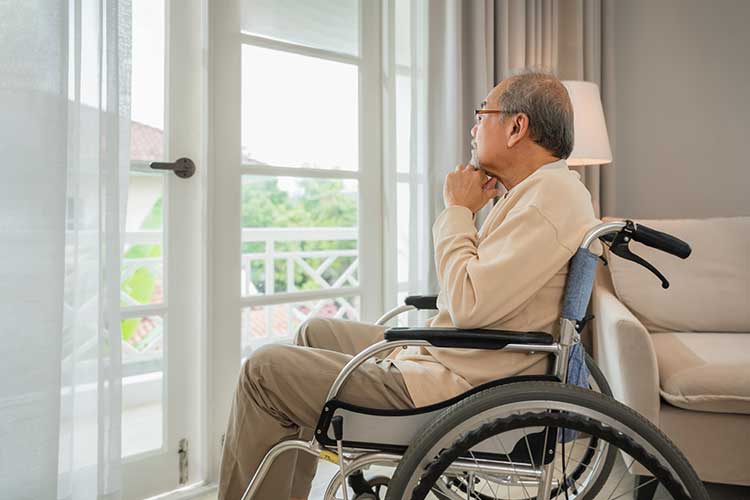
Man in wheel chair looking out of window at California nursing home.

Assisted living homes, also called residential care facilities, provide long-term housing for elderly adults who need support with day-to-day activities. Unlike nursing home residents, those living in assisted living homes usually receive limited medical care.

Entering assisted living is a big change, but it should also open opportunities to be part of a community. Residents have their own apartments but typically eat together and enjoy social gatherings, outings and other activities.

5 Things to Look Out For at Assisted Living Homes

Unfortunately, not all assisted living facilities live up to high standards. Elder abuse and neglect does sometimes occur in assisted living homes, which is why choosing a high-quality home is critical.

Whether you are looking for you or your loved one’s first assisted living home or considering transferring facilities, here are some good ⸺ and bad ⸺ signs to look out for.

1. Professionalism

Staff at a high-quality assisted living home will be skilled, knowledgeable, compassionate and communicative. They will be happy to answer your questions and be transparent about their certifications, qualifications and training.

Red Flags: Staff at a low-quality home may be rude, dismissive or slow to respond. In some cases, employees are inadequately trained, underqualified or understaffed.

2. A Clean and Safe Environment

Assisted living facilities should be clean and well-maintained. There should be evidence of inspections and adherence to safety regulations, including safety measures like handrails and slip-resistant flooring.

Red Flags: Stay away from facilities that are dirty or feel run-down. If a home’s general cleaning and maintenance are neglected, chances are its residents may be, too.

3. Person-Centered Care Plans

Person-centered care is individualized to each resident and their specific needs and preferences. It ensures each resident receives an appropriate level of care that supports their independence. Ask homes how they build a resident’s care plan and how often plans are assessed and adjusted.

Red Flags: When you ask how care plans are built, if no mention is made of person-centered care or of tailoring to each person’s needs, it may indicate a one-size-fits-all approach. This could mean the home’s policies, practices and staff education are out-of-date.

4. Nutritious Dining Options

A nutritious and varied diet is essential for seniors’ health. A high-quality facility should be happy to share a sample menu and discuss how chefs cater to food allergies, restrictions and preferences.

Red Flags: A low-quality facility may be less than forthcoming with their menu and/or serve substandard or repetitive meals.

5. Stimulating Activities and Social Engagements

Opportunities for social interaction and engaging activities are vital for seniors’ mental and emotional health. High-quality facilities offer diverse activities, like fitness classes, arts and crafts, outing and social events.

Red Flags: Activities at a low-quality facility may be limited or infrequent, leaving residents isolated and bored.

If you or a loved one has been abused or neglected in an assisted living facility, Peck Law Group is here to help. We serve clients throughout all of California and have helped victims recover millions of dollars in damages. Our team specializes in assisted living, nursing home and elder abuse and neglect, personal injury, wrongful death and more.

Call 866-999-9085 or fill out our online form to request a free case evaluation.