phoneFREE CASE EVALUATION (866) 999-9085

 About Adam Peck

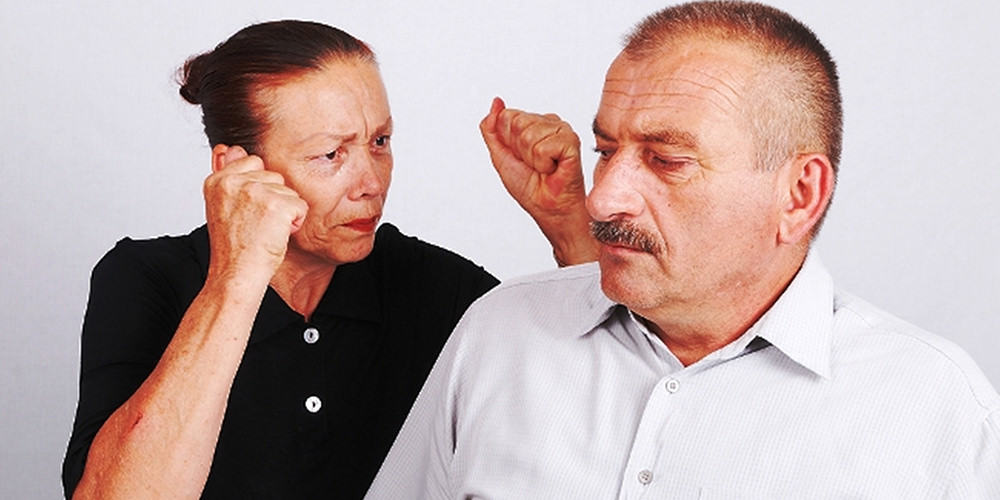
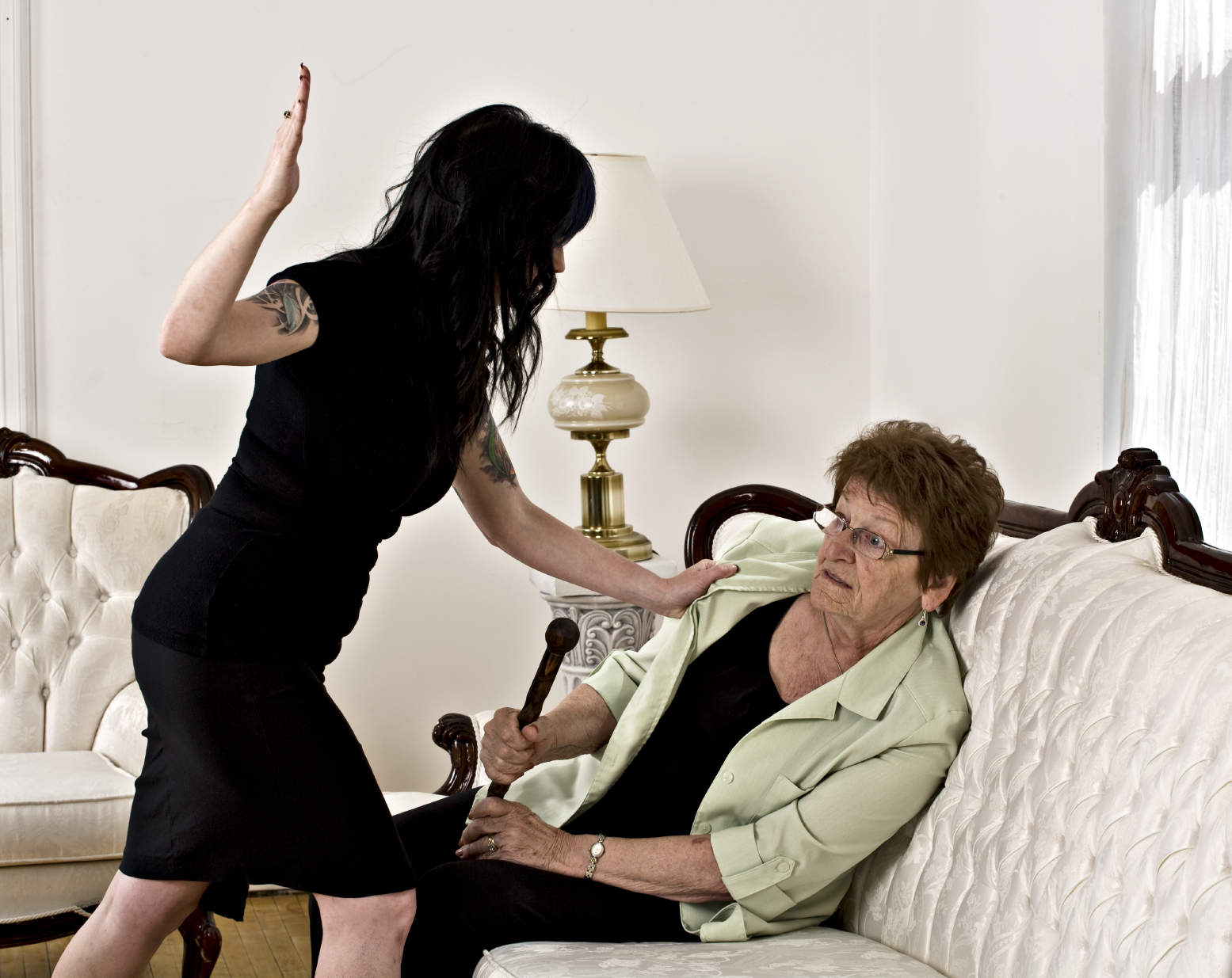
Adam J. Peck, ESQ is a principal with Peck Law Group, APC. In 2008, Mr. Adam Peck received his Juris Doctorate from Whittier Law School where he graduated Cum Laude. His practice is primarily dedicated to representing Elders, Dependent Adults, along with their loved ones and family members, who have suffered horrific personal injuries.

California Penal Code Section 368(b)(1)

California Penal Code Section 368(b)(1)

California Penal Code Section 368 (b) (1):

Any person who knows or reasonably should know that a person is an elder or dependent adult and who, under circumstances or conditions likely to produce great bodily harm or death, willfully causes or permits any elder or dependent adult to suffer, or inflicts thereon unjustifiable physical pain or mental suffering, or having the care or custody of any elder or dependent adult, willfully causes or permits the person or health of the elder or dependent adult to be injured, or willfully causes or permits the elder or dependent adult to be placed in a situation in which his or her person or health is endangered, is punishable by imprisonment in a county jail not exceeding one year, or by a fine not to exceed six thousand dollars ($6,000), or by both that fine and imprisonment, or by imprisonment in the state prison for two, three, or four years.

When a guilty plea is entered against a defendant for Elder / Dependent Adult Abuse that conviction may be used against the defendant in a subsequent civil matter and is collateral estoppel on that issue.

There are many criminal actions that are considered Wobblers in the State of California, meaning they could have been filed as a felony or a misdemeanor.

A wobbler misdemeanor guilty plea may be admissible in a civil action.
 

Asiana Airlines Plane Crash Victims face a Long Recovery

Asiana airlines plane crash victims face a long recovery. While most of the 307 passengers and crew walked away from the crash of the Boeing Co. 777 jetliner with minor wounds, at least 23 people remained hospitalized yesterday at San Francisco-area hospitals, including at least five in critical condition. Two 16-year-old girls died in the July 6 crash. Three patients still in the intensive care unit at San Francisco General Hospital may be there for months.

Most of the personal injury incurred is similar to whiplash in car accidents. The passenger’s lap belt led to injuries caused by the upper body being snapped forward, then back. The seats, too, intensified the effect.

At Stanford Hospital, surgeon David Spain saw five spinal column fractures. In the less-serious cases, the bone was broken but the spine was stable. Patients with that kind of broken back generally are put in a brace for about three months to prevent loss of height and maintain their posture.

Spinal Injuries

Rehabilitation for spinal cord injuries varies depending on the site of the trauma, with a great deal of variation in programs, It’s also not clear at early stages of treatment how much someone will recover.

Common responses to spinal injuries include muscle weakness, loss of control of the bowels and bladder, and sensory losses, such as an inability to feel vibrations or to sense heat and cold. Some patients experience pain from damaged nerves, as well as severe, painful muscle spasms that can limit mobility and independence. The rehab process can be anywhere from a few months to a few years, Peck says.

Brain Trauma

Recovery from brain injuries is similar, About 80 percent of traumatic brain injury is mild, and those patients generally do well, he said. However, brain injury affects each patient differently, and can have effects on thinking, mental skills, judgment, behavior and mobility.

Common side effects include headaches, vision and balance issues, sensitivity to light and noise, and difficulty sleeping,  About 70 percent of patients with spinal cord or brain injuries also experience anxiety and depression.

‘Catastrophic Injuries’

These are catastrophic injuries that typically impact people’s ability to take care of themselves, and they affect the whole family as well.

Another difficulty treating those most seriously injured in the Asiana crash are that many don’t live in the U.S. The hospital is working on a plan to collaborate with their home countries for rehabilitation efforts.

Nursing Home Abuse and Neglect: We Must Watch What is Going On

Elder Care Physical AbuseRecently, The Peck Law Group ascertained that numerous nursing home patients suffered serious injuries; including bed arose, pressures sores also known as decubitus ulcers. Many of those patients died and went days without baths. They were severely dehydrated and malnourished, and their pressure sores were not treated, leading to fatal infections, including Ecoli and sepsis.

An elder fell, was admitted, was alert and had no history of incontinence. But nursing home staff still put her in adult diapers. She developed bed sores that became so infected her left leg had to be amputated above the knee. She died of a blood infection.

The alleged inadequate care included failure to follow physicians’ orders. Failure to treat wounds and pressure sores, failure to update resident care plans, and failure to monitor the blood-sugar levels of diabetic residents are typical Nursing Home Abuse Attorney.