phoneFREE CASE EVALUATION (866) 999-9085

 About Adam Peck

Adam J. Peck, ESQ is a principal with Peck Law Group, APC. In 2008, Mr. Adam Peck received his Juris Doctorate from Whittier Law School where he graduated Cum Laude. His practice is primarily dedicated to representing Elders, Dependent Adults, along with their loved ones and family members, who have suffered horrific personal injuries.

Stage 3 Pressure Ulcers

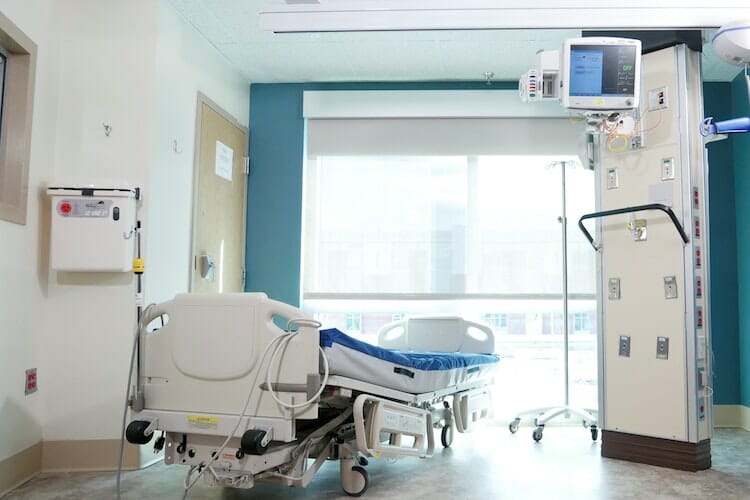
Hospital bed for patients with stage 3 pressure ulcers in California

If your loved one developed stage 3 pressure ulcers as a resident at a nursing home, you might be wondering how the ulcers showed up in the first place. After all, enrolling a resident into a care facility is intended to ensure they are well taken care of by trained medical professionals.

Despite skilled nursing homes’ and assisted living facilities obligation to patients to care for their mental and physical well-being, medical negligence and neglect occurs at care facilities across the country every day. Fortunately, these negligent facilities shall be held accountable for their actions in court.

Speak with an experienced nursing home and assisted living abuse attorney at the Peck Law Group today to start the process of getting justice for your loved one by calling toll free 866-999-9085 or by filling out the free case evaluation form on our website.

Who is at Risk for Stage 3 Pressure Ulcers?

Pressure ulcers, also known as pressure sores, bed sores, and pressure injury, are caused when constant pressure against the skin cuts off blood flow from the area. As a result, sores develop that cause a wound to develop. 

At first, red or purple spots appear. When left without treatment, the sores may become infected and fill with pus. When seriously neglected, the sore can even expose the bone, causing osteomyelitis, which is a life-threatening emergency. 

Those most seriously at risk for pressure ulcers are adults in nursing and assisted living facilities who have handicaps that impede their movement. Most commonly, these are bedridden or wheelchair-bound individuals who depend on nursing home staff to care for them.

Bed sores happen can happen in three ways: friction, pressure, and shear. Friction occurs when patients are moved by nursing home staff by dragging or pulling instead of lifting. Pressure, on the other hand, results from nursing home staff failing to reposition residents frequently enough. Shear happens when the skin shifts on the surface, but the underlying tissue and bones remain in the same place.

Unfortunately, nursing home neglect and negligence poses a real threat to patients in their care for developing pressure ulcers. Patients with a limited range of movement must be adjusted in bed at least every two hours to efficiently prevent bed sores. To make matters worse, risk factors such as nursing home understaffing make nursing home residents especially susceptible. 

Luckily, there is help for families who fall victim to pressure sores resulting from nursing home and assisted living neglect and negligence.

The Peck Law Group has over 52 years of combined experience in helping victims of nursing home abuse. Speak with an attorney at the Peck Law Group that specializes in pressure ulcers today for your free case evaluation by calling 866-999-9085.

What are the Effects of Pressure Ulcers?

Though the early stages of pressure ulcers aren’t very severe, when left untreated, the effects can get much worse. 

At the onset, pressure ulcers form a red or purple spot on the skin. In this early stage, there will not yet be an open wound. Most of the time, nursing home staff are trained to recognize these spots and rapidly take action to prevent the worsening of the condition.

However, nursing home personnel don’t always get it right. If pressure sores are undetected, they quickly deteriorate into open wounds.

In fact, a pressure ulcer can progress from a red spot (stage one pressure ulcer) to a dangerous open wound in as little as a few hours. Eventually, pus and blood will start to leak from the wound, and it will begin tunneling further into the skin as time goes on.

Stage 2 Pressure Ulcers

When stage 1 pressure ulcers are left untreated, intact or open blisters, usually filled with pus, develop on the skin. These sores are called stage 2 pressure ulcers and are warm to the touch, tender, and pose a risk for infection. What’s worse is that if these sores are left untreated, the condition gets worse.

Stage 3 Pressure Ulcers

Stage 3 pressure ulcers happen when nursing home staff fail to provide residents with the adequate care and treatment they are entitled to. They are the second to last stage of pressure ulcers and come with more intense pain and more severe sores.

Stage 3 pressure ulcers penetrate beneath the top layers of skin but have not yet reached the underlying muscle or bone. Even though stage 3 pressure ulcers aren’t the most severe form of bedsores, they must be taken seriously to prevent worsening.

The most prevalent symptoms of stage 3 pressure ulcers include:

  • Fluid or pus oozing from the wound
  • Redness surrounding the sore
  • Skin turning black (necrosis)
  • Fever 
  • Soreness

Stage 3 pressure ulcers are deep, crater-like wounds that cause an extreme amount of pain and suffering. Sometimes, the sores can even expose fat tissue. Since stage 3 pressure ulcers are a deep open wound, they are especially susceptible to infection, which could cause more serious medical issues, even death. 

As the bedsores attack underlying tissue, nursing home residents are left exposed to germs that can cause dangerous infections. This means that without swift intervention, something as simple as neglecting to check on your loved one every couple of hours could lead to their death.

Taking immediate action when bed sores arise is vital to the mental and physical health of nursing home residents.

Remember: patients with bedsores require specialized and urgent medical attention. With every passing hour, pressure wounds continue to get worse.

Treating Stage 3 Pressure Ulcers

Treating stage 3 pressure ulcers is a complicated process. The most important part of treatment involves taking pressure off the wound. Then, doctors work to clean the wound out by debridement, which involves irrigating the area and sometimes even surgically removing dead areas of skin and tissue.

Next, water and saltwater rinses are used to flush out the area and keep it clean. Gauze, foam, or other types of bandages are used to keep the area clean and dry, which are changed frequently. 

It’s important to note that even if you seek immediate medical intervention, there is no guarantee that bed sores can be cured. When left without treatment for too long, they may never be able to heal. This is especially true since the fragility of elder skin makes it more difficult for the body to heal from wounds.

Residents in nursing homes may also have a weakened immune system. Consequently, when pressure sore infections occur, there is a dire risk for death or dismemberment. That’s why when nursing home staff causes a patient to develop sores, they must be held accountable for their actions.

If your family has been affected by medical neglect and / or negligence, you don’t have to fight this battle alone. Speak with an attorney at the Peck Law Group today that specializes in pressure ulcers for your free case evaluation.

Stage 2 Pressure Ulcers

Elderly man in bed

Pressure ulcers, also known as bed sores, happen to anywhere from 2% to 28% of nursing home patients in the United States today. These sores are considered serious health conditions and are 100% preventable with proper monitoring and care.

That means that if your loved one is experiencing stage 2 pressure ulcers while in the care of a nursing facility, you need to take action. Nursing home abuse is detrimental to the health of your loved one and should be dealt with swiftly. 

Contact an experienced nursing home abuse attorney at the Peck Law Group today for a free consultation by calling toll free 866-999-9085

What are Pressure Ulcers?

Pressure ulcers are injuries to the skin and underlying tissue that are caused by prolonged skin contact against any surface. They are most common in bony areas such as the elbows, hips, heels, and the base of the spine. 

Also known as bed sores and pressure sores, pressure ulcers are very painful and cause a burning sensation that worsens as time goes on.

When pressure sores are allowed to progress unchecked, they will worsen, eventually becoming pus-filled and infected. If the patient continues to be neglected, they could become septic. Without emergency medical treatment, sepsis could lead to death.

Even if a nursing home patient does receive treatment after the onset of stage 2 pressure ulcers, there’s no guarantee that they can be cured completely.

While some sores can heal with treatment, others will never heal fully. That’s why immediate action is vital to preserving the health and well-being of nursing home patients. 

Are Pressure Ulcers a Form of Nursing Home Neglect?

Nursing home neglect is a type of elder abuse that happens in long-term care facilities. This neglect is often due to understaffing, poor facility protocols, and negligence.

Unfortunately, nursing home neglect is shockingly common.

According to the National Center on Elder Abuse (NCEA), around 95% of nursing home residents have experienced nursing home neglect themselves or witnessed it happening to another resident. 

Even though nursing home neglect might not seem as threatening as other forms of elder abuse, it has very real emotional and physical effects on nursing home residents – including pressure ulcers going unchecked. 

For example, when pressure ulcers arise, it causes pain, distress, and unrest in nursing home patients. Since there’s no guarantee that the ulcers can be cured, neglecting a patient’s sores can cause medical problems for a patient for the rest of their life.

When a nursing home patient contracts pressure ulcers, it’s called medical neglect. This type of neglect is illegal in all fifty states and cannot be tolerated for any reason.

If your loved one has bed sores because of medical neglect in a nursing home, you need to act right away. Contact an attorney that specializes in pressure ulcer injuries at the Peck Law Group today before it’s too late by calling toll free 866-999-9085 or by filling out the free case evaluation form on our website.

What Causes Pressure Ulcers?

Pressure ulcers result from prolonged pressure on the skin. Although they can happen to anyone, they are most prevalent among people who are confined to a wheelchair or spend a large amount of time in bed. 

The primary cause of pressure ulcers in seniors is nursing home neglect.

To prevent the development of bed sores, nursing home staff must rotate bedridden or wheelchair-confined patients at least every two hours to ensure proper blood flow. When nursing homes are understaffed or employed by personnel who don’t abide by the schedule, pressure sores can result.

Pressure ulcers can arise in as little as a few hours or as many as a few days. That means that just one day at an understaffed nursing home can spell trouble for your loved one. 

What’s even more concerning is that nursing home residents can still develop pressure ulcers even if they are frequently turned in bed.

Shearing, another cause of bed sores, occurs when two surfaces are moved in opposite directions. This often happens in nursing homes when residents are moved from one location to another, such as from their bed to a wheelchair. 

If nursing home staff don’t take care to move residents gently, pressure ulcers can be the result. Shearing can also occur if residents slide down in bed when they sleep. To avoid this, nursing home staff typically elevates at-risk patients’ heads by at least 30 degrees when sleeping and makes sure to lift residents to move them, rather than sliding or dragging them.

The final most common cause of pressure ulcers is friction. Elderly nursing home residents are especially at risk for friction-caused bed sores since their skin is extremely fragile. Aside from carefully repositioning, nursing home staff must take extra special care to eliminate any crumbs, folds in sheets, or other debris in residents’ beds. 

Stage 2 Pressure Ulcers

In the beginning stages of pressure ulcers, a red or purple mark appears on the skin. Ideally, the condition is caught and treated during this time. However, if left neglected, the condition will continue to worsen – eventually progressing to stage 2 pressure ulcers.

Stage 2 pressure ulcers happen when the surface bed sore begins burrowing down into the skin. At this point, the bed sores look similar to pus-filled blisters and are painful to the touch. These wounds can be intact or ruptured, though ruptured wounds pose a more serious risk for infection.

Patients typically experience a burning or itching sensation that ranges from intermittent to constant. The affected areas are tender to the touch and sensitive to any pressure placed on them.

That means that if your loved one is dealing with pressure sores, immediate action is vital to quick relief.

Luckily, since stage 2 pressure ulcers are shallow wounds, they are relatively easy to treat. By keeping the area clean, taking initiatives like saltwater rinses and administering antibiotics, most patients will fully recover anywhere from 3 days to 3 weeks after treatment starts.

Stage 2 pressure ulcers are considered the last stage that bed sores can become before neglect of treatment is probable. Ideally, nursing home staff should identify and treat stage 1 pressure ulcers before they progress to stage 2. However, if the progression of the severity stops at stage 2 pressure ulcers, the patient has a good chance at quick recovery.

Even if your loved one’s stage 2 pressure ulcers have been treated, nursing home neglect should still be a concern for your family. Care facility standards should be set high enough that no patient must endure the pain and suffering that bed sores can bring. 

Get in touch with an experienced nursing home abuse attorney at the Peck Law Group today to find out how you can get justice for your family and hold neglectful nursing homes accountable for their actions.

What Should I Do if My Loved One Has Stage 2 Pressure Ulcers?

It doesn’t take long for pressure ulcers to arise when nursing home neglect is at work. That’s why if your loved one has them, you need to take action immediately. 

Legal experts at the Peck Law Group stress that the moment you discover bed sores, you should get your loved one emergency medical attention.

Pressure ulcers are extremely uncomfortable; if left unchecked, they can wreak havoc on your loved one’s mental and physical health. If you wait too long to get help, your loved one may never recover and could even die as a result of their wounds.

Next, it’s a good idea to consider reporting the nursing home to your local authorities. Your state health department is a good place to start. Remember: the sooner you report, the better. Other residents in the nursing home might be experiencing similar problems. State officials have protocols that they can set into motion to hold negligent nursing homes accountable for their actions.

When your loved one has been harmed as a result of nursing home neglect, you need a team on your side that can help you get the justice you and your loved one deserve.

The nursing home staff has an obligation to provide high-quality care that champions good mental and physical health. When this code is violated, it can’t be ignored.

The best way to hold neglectful nursing homes accountable for their actions is by working with a knowledgeable nursing home abuse attorney that knows how to help you.

The Peck Law Group has over 52 years of combined experience in helping victims of elder abuse in nursing homes, assisted living facilities, and other long term care centers.

Reach out today to learn how we can help you by calling 866-999-9085 or by filling out the contact form on our website.

Nursing Home Abuse Complaint in Redding, California

Nursing home abuse complaints folder for Redding California

According to the Peck Law Group, APC, an Elderly resident’s stay at Redding Post-Acute Care Facility in California was allegedly far below the standard of care expected. In a formal written complaint lodged against the facility on July 21st, the care facility was accused of a laundry list of offenses, including:

  • Elder Abuse (Failing to give medical care)
  • Administering antipsychotics without informed consent 
  • Failing to administer doctor-recommended medications
  • Failure to notify the responsible party of a change of condition
  • Failure to maintain a clean environment
  • Failure to produce complete copies of medical records
  • Retaliation 
  • Insufficient staffing

Here is more from the complaint:

A female patient was admitted to Redding Post-Acute in June of 2019. Since she suffered from dementia and kidney failure, her son and power of attorney (POA) signed her in. Unfortunately, the female patient allegedly suffered from elder abuse almost immediately upon arriving at the care facility. As a result of this alleged abuse, the patient was admitted to the hospital multiple times for UTI’s, septicemia, falls, and even a hematoma on her face, as shown in images her son took.

The hematoma to her head was treated at Mercy Hospital in November 2021. This type of mass of blood is known to cause damage to surrounding neural tissue. Although a nurse contacted the patient’s son to advise him of his mother being found unconscious, there were no medical records corroborating the story. In fact, the medical records produced by Redding Post-Acute indicated that the patient was not unconscious and that no one knew how long she had been on the floor. “This type of medical record recording is very common in Long Term Care”, says Steven C. Peck of the Peck Law Group, APC.

Emergency room records indicated that a Redding Post-Acute caretaker mentioned a recent fall that was also not included in the patient’s medical records. The patient’s son was not notified of this fall, which constitutes a failure to notify a responsible party. Steven Peck noted that “this is a clear violation of 42 CFR §483.10(g)(14)”. After the patient’s ER visit, the doctor prescribed antibiotics. Unfortunately, this medicine was never administered to the patient.

Informed consent refers to the communication from doctors to patients that explains the risks and benefits of taking a drug before prescribing it. During this patient’s stay at Redding Post-Acute Care, the patient’s son was not notified before she was administered black box drugs:

  • Gabapentin
  • Percocet
  • Oxycodone
  • Ativan
  • Seroquel

To make matters worse, the ER doctor noticed the patient had a mass on her thyroid that was not diagnosed by her attending physician at the care facility. “When medicine a patient needs isn’t administered, or if a resident fails to receive proper medical care, this is considered elder abuse”, states Steven Peck.

In December 2021, the patient suffered a mental breakdown that prompted her transfer to Shasta Regional Hospital for specialized care. Following her completion of treatment, Redding Post-Acute refused to accept the patient back in their facility. Instead, they suggested placing her into a facility in Los Angeles, California. This placement would place the patient hundreds of miles away from her family, which her son and POA refused. Consequently, when the patient was discharged, she went to live at home with her son.

Within a few days of being home, the patient reported suffering from debilitating pain and was vomiting. After a 9-1-1 call, she was admitted to Shasta Regional Hospital. Her doctors diagnosed her with pneumonia and found that she was septic. Following treatment, she was sent home to live with her son on hospice care.

It is believed that the patient’s condition was a direct result of the poor care conditions at the Redding Post-Acute care facility.

The lack of medical records or consent forms, poorly maintained bathrooms that promote infections, and conflicting reports about the patients’ mental clarity and overall well-being prompted this formal complaint. The Foundation Aiding the Elderly reached out directly to the care facility in support of the patient and filed it with the Licensing and Certification Program, Chico District Office in California.