phoneFREE CASE EVALUATION (866) 999-9085

 About Adam Peck

Adam J. Peck, ESQ is a principal with Peck Law Group, APC. In 2008, Mr. Adam Peck received his Juris Doctorate from Whittier Law School where he graduated Cum Laude. His practice is primarily dedicated to representing Elders, Dependent Adults, along with their loved ones and family members, who have suffered horrific personal injuries.

Post-Concussion Syndrome in the Elderly

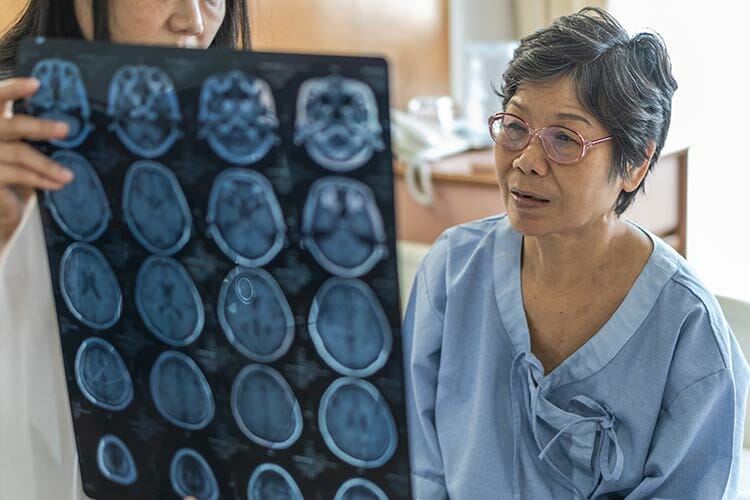
Elderly Asian woman with post-concussion syndrome being shown images of her brain by doctor.

Post-concussion syndrome, or persistent post-concussive symptoms, occurs when symptoms of a concussion last beyond the typical recovery period. After a concussion, symptoms like headaches, dizziness, and trouble with sleep, memory, and/or concentration typically clear up in about two to three weeks. In post-concussion syndrome, these symptoms can last for several weeks or months.

Concussions in Nursing Homes and Assisted Living Facilities

A concussion is a mild traumatic brain injury that can occur from a bump or hit to the head, with or without loss of consciousness. In nursing home and assisted living facilities, falls are the leading cause of concussions.

Though serious, most concussions are not life-threatening. Treatment usually includes physical and mental rest, pain relief, and a gradual return to normal activity levels.

Unfortunately, nursing home staff and other healthcare providers sometimes miss or overlook symptoms of concussions in elderly individuals, especially because they are similar to symptoms of dementia and normal aging.

Recognizing Post-Concussion Syndrome in Nursing Home Residents

Any time an elderly person hits their head, it is important to seek medical attention to evaluate for concussions, brain bleeds, and other issues. Caregivers must be attuned to nursing home residents’ physical, cognitive, emotional and behavioral symptoms, especially when a resident has suffered a known concussion or was not evaluated after a previous blow to the head.

If an elderly person has some of the following symptoms more than one month following a head injury, they may have post-concussion syndrome:

Physical symptoms

  • Headaches
  • Neck pain
  • Dizziness
  • Balance issues
  • Fatigue
  • Tinnitus (ringing in the ears)
  • Sensitivity to light or sound

Cognitive symptoms

  • Trouble with memory or concentration
  • Confusion
  • Sleeping more or less than usual
  • Other sleep disturbances

Emotional/behavioral symptoms

  • Withdrawal from activities
  • New sadness or depression
  • Irritability, anxiety or heightened emotions
  • Social isolation
  • Change in appetite

Post-concussion syndrome can have major, long-lasting effects on an elderly person’s lifestyle and wellbeing. However, recovery is possible when caregivers recognize and act upon post-concussive symptoms. Depending on an individual’s symptoms, various medications and therapies are available to help alleviate symptoms and improve quality of life.

Lawyer discussing post-concussion syndrome case for elderly client at desk with judge mallet, scales pens and notepads.

Did Nursing Home Abuse or Neglect Play a Role in Your or Your Loved One’s Post-Concussion Syndrome?

The physical, emotional, and financial costs of post-concussion syndrome can add up quickly, but you and your family are not alone. Depending on the specific circumstances, you may be able to recover damages in a lawsuit against the nursing home or assisted living facility.

You may be entitled to compensation if the initial concussion was caused by nursing home negligence ⸺ for example, if a resident fell and hit his head due to a hazard in the nursing home. You may also be able eligible for compensation if caregivers failed to identify and seek treatment for the concussion and/or for symptoms that persisted for several weeks or more after the concussion.

The Peck Law Group has more than five decades of combined experience navigating and achieving results in California courtrooms. With a free case evaluation, our nursing home abuse and neglect experts can help you weigh your legal options. Call 866-999-9085 or fill out the form on our site to get started.

Bed Sores Treatment

Nurse compassionately holding hand of bed sores patient in white outfit, with white curtains in background.

Bedsores are an unfortunate reality for more than 2.5 million Americans every year. They are especially common in nursing homes or other long-term care facilities, where residents may be bedridden, immobile, or sedentary.

Also called pressure ulcers, pressure sores, pressure injuries or decubitus ulcers, bedsores can vary from mild to severe. In order to prevent bedsores in nursing homes, residents should be turned and repositioned frequently, provided quality nutrition, and given regular skin care.

Click here to read Peck Law Group’s comprehensive guide on bed sores.

Severe, untreated, or recurring bedsores may be an indication of elder abuse or neglect. Contact Peck Law Group at 866-999-9085 or premierlegal.org/evaluation/ to discuss your legal options with a qualified California bed sores attorney.

Treatment During the Four Stages of a Bedsore

Bedsore injuries are classified into four stages, with Stage 4 being the most severe. Sores at each stage require varying intensities of treatment that may involve nursing home staff and/or other medical professionals.

Stages of pressure ulcers diagram.

Stage 1 Bedsores

In Stage 1, only the outer layer of skin is affected. The area looks discolored and feels warm to the touch. The person may describe painful, burning, or itching sensations.

As soon as symptoms begin, immediately remove pressure from the area. The person should move or be moved at least once every two hours, and the sore washed with soap and water.

If a Stage 1 bedsore does not improve in two to three days, see a doctor.

Stage 2 Bedsores

Stage 2 bedsores affect deeper layers of skin and may have an open wound, sore, scrape, or blister. The area will be very painful and may ooze pus. Skin around the wound may be discolored or swollen.

In this stage, bedsores should be washed, dried, and bandaged. Change bandages frequently, and clean the wound with saline during each bandage change.

Bedsores at this stage should heal within three weeks. See a doctor if the sore does not show improvement or if any signs of infection appear, such as redness, pus, or fever.

Stage 3 Bedsores

A bedsore enters Stage 3 when there is damage to fat tissue below the skin. The sore often looks like a crater. There may be signs of an infection, such as a foul odor, pus, drainage, red edges, and feeling warm to the touch. There may also be blackened tissue in or around the sore.

Stage 3 bedsores need medical attention. A doctor may remove dead tissue with a scalpel during a procedure called debridement. They may also prescribe ointments, pain relievers, and/or antibiotics.

Bedsores in Stage 3 may require surgery to remove affected issue and/or graft healthy skin over the wound. Stage 3 sores typically take 1-4 months to heal completely.

Stage 4 Bedsores

Stage 4 bedsores are severe and require immediate medical attention. A sore reaches Stage 4 when the wound is deep or affects a large area. The wound may be so deep that muscles, tendons, and bone are visible or damaged.

Infection is very likely at this stage, and immediate medical attention is needed. The sore may require surgical debridement, skin grafting, or even amputation of the affected area. Stage 4 sores take months to years to heal.

Bedsores Due to Abuse or Neglect

Unfortunately, bedsores are sometimes caused or worsened by a caregiver’s failure to prevent, treat, or seek medical care. A qualified attorney can help you sue for damages to cover medical care, rehabilitation costs, and other expenses.

The Peck Law Group bed sores lawyers have more than half a century of experience litigating nursing home abuse and neglect cases in California. Call us at 866-999-9085 or fill out our online form for a free, no-obligation case evaluation.

MRSA Precautions for Nursing Homes

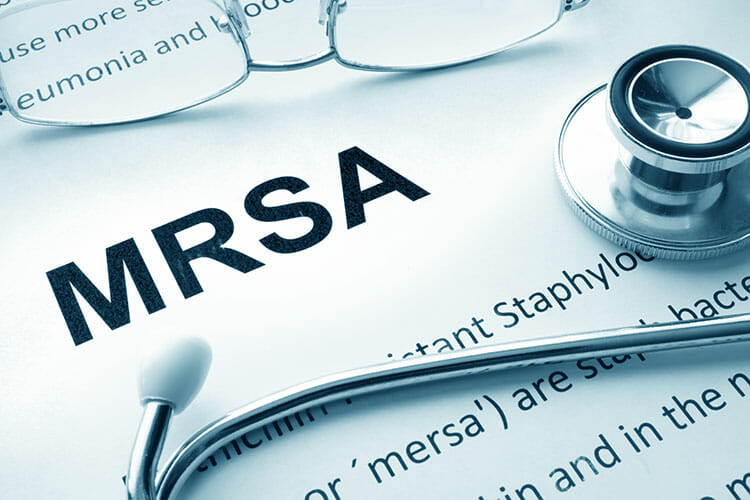
Stethoscope with glasses on top of paper with definition of MRSA infections in nursing homes.

Methicillin-resistant Staphylococcus aureus (MRSA) infection is caused by a type of staph bacteria that is resistant to antibiotics. It is most commonly spread in health care facilities, including nursing homes and hospitals.

Nursing home care providers should be hyper-vigilant to following MRSA precautions and be attentive to early signs of potential infections. If MRSA goes undetected, it can spread quickly amongst a nursing home’s population and cause long-term complications, including death.

Have you or a loved one suffered consequences from a California nursing home’s failure to prevent, recognize, or address an MRSA infection? Learn about your legal options by contacting Peck Law Group at 866-999-9085 or premierlegal.org/evaluation/.

How Does MRSA Spread?

MRSA most often enters the body through a cut or other wound. In nursing home populations, it is also frequently associated with hospitalization, surgery, or invasive medical devices such as IVs, catheters, or artificial joints. MRSA can spread quickly amongst elderly individuals and people living in close quarters.

There are many ways MRSA can enter a nursing home. New residents moving in, residents returning from a hospital stay, staff, and visitors can all introduce the bacteria to the facility.

Carriers of MRSA can spread the bacteria without getting infected themselves. According to the Centers for Disease Control and Prevention, about two in every 100 people carry MRSA bacteria in their nose, though most do not develop serious MRSA infections.

How to Prevent the Spread of MRSA

Good hygiene is the most important element of preventing MRSA infection. Nursing home health care providers should:

  • Wash their hands with soap and water or an alcohol-based sanitizer before and after caring for each resident.
  • Wear gloves, gowns, and other personal protective equipment when appropriate.
  • Thoroughly disinfect residents’ rooms, medical equipment, and shared living spaces.
  • Ensure proper disposal of single-use items, and properly clean and disinfect linens and items that come into contact with blood, bodily fluids, etc.
  • Use contact precautions for residents with confirmed or suspected MRSA infections.
  • Keep wounds clean, dry, and covered until they heal.
  • Discourage residents from sharing personal toiletry items.
  • Regularly bathe residents.

Early detection and treatment are critical to preventing an elderly person’s MRSA infection from escalating and causing severe health problems. When signs and symptoms are recognized early on, it also gives nursing facilities the opportunity to isolate residents and take additional precautions during treatment.

Signs and symptoms that nursing home staff should watch for include:

  • A warm, red bump on the skin that looks like a pimple or an insect bite. As the wound progresses, it may fill with pus and be warm to the touch.
  • Surgical sites or wounds that swell, do not heal, or become increasingly painful.
  • Fever.
  • Pain.
  • Swelling.

When a nursing home fails to follow MRSA precautions, the consequences can be deadly. The infection can spread to the bloodstream, lungs, heart, other organs, bones, and joints. Complications like pneumonia, sepsis and blood infections can cause long-term damage or death.

Where to Turn for Help

If you or a loved one has suffered a serious MRSA infection due to nursing negligence, you may be able to recover damages for medical costs and other expenses through a lawsuit.

Peck Law Group has recovered millions of dollars in damages for California victims of nursing home abuse and neglect. Call 866-999-9085 or fill out our online form to get started with a free case evaluation.