phoneFREE CASE EVALUATION (866) 999-9085

 About Adam Peck

Adam J. Peck, ESQ is a principal with Peck Law Group, APC. In 2008, Mr. Adam Peck received his Juris Doctorate from Whittier Law School where he graduated Cum Laude. His practice is primarily dedicated to representing Elders, Dependent Adults, along with their loved ones and family members, who have suffered horrific personal injuries.

Sepsis Causes in the Elderly

Hand with blue marker spelling out sepsis.

Sepsis is a serious and life-threatening condition caused by an improper immune system response to an infection. It occurs when, instead of only fighting off an infection, the immune system turns on the body’s own tissues and organs.

Characterized by elevated heart rate, low blood pressure, fever or hypothermia, disorientation and other symptoms, sepsis is considered a medical emergency even in its earliest stages. Without immediate treatment, sepsis can quickly escalate into septic shock and cause long-term health issues or death.

Unfortunately, sepsis in elderly individuals is sometimes the result of caregiver abuse or neglect. This is especially true in cases involving residents of nursing homes or assisted living facilities.

If you or your loved one experienced sepsis or septic shock because a caregiver failed to recognize or address signs of sepsis, California’s Peck Law Group can help you fight for compensation. For a free case evaluation, call 866-999-9085 or fill out our online form.

Who Is at Risk of Sepsis?

People of any age can develop sepsis, but those age 65 and up are at particularly high risk. Nursing home residents entering emergency departments are over 6 times more likely to present with sepsis than non-nursing home residents.

Long-term care facility residents are more at risk of sepsis in part because they are more at risk for infections in general. The communal nature of nursing home life, effects of aging, and comorbid health disorders all contribute to increased infection rates in care facilities.

Other factors that can raise the risk of sepsis include extended hospital stays, severe injuries, and use of certain medical equipment like respirators, catheters, and IVs. Certain medical conditions, such as diabetes, cancer, obesity, or a weakened immune system are also risk factors. A person who has previously survived sepsis is at increased risk of developing sepsis again.

Which Infections Can Lead to Sepsis?

The body’s immune response to any infection can lead to sepsis. Most cases of sepsis are caused by bacterial infections. Viral, fungal, and parasitic infections can also lead to sepsis.

Some of the most common types of infections that lead to sepsis include:

  • Respiratory infections, including pneumonia, bronchitis, COVID-19, and influenza.
  • Urinary tract infections (UTIs), which often go hand-in-hand with catheter use.
  • Skin infections, including those that follow pressure ulcers, wounds, burns, or use of catheters and IVs.
  • Gastrointestinal (GI) infections, including C. difficile, salmonella or E. coli infections, norovirus, peritonitis, and infections affecting the appendix, gallbladder, or liver.
  • Central nervous system (CNS) infections, such as meningitis.

You May Be Eligible for Compensation

If you or your loved one suffered sepsis due to a long-term care facility’s failure to prevent, recognize or seek proper treatment for an infection, you may be entitled to damages.

Peck Law Group has more than five decades of experience advocating for victims of nursing home abuse and neglect in California courtrooms. From offices in Los Angeles County, San Diego, Palm Desert and Sacramento, our award-winning attorneys give every case the time and attention it deserves.

Get started with a free, no-obligation case evaluation at 866-999-9085 or premierlegal.org/evaluation/.

What Are the Three Stages of Sepsis?

Illustration of sepsis in elderly, displaying bacteria in bloodstream along with red blood cells and leukocytes.

Sepsis occurs when the body’s immune system overreacts in response to an infection. Instead of fighting the infection, the immune system attacks normal body tissues and organs. This overwhelming, life-threatening response can lead to organ failure, tissue damage, and even death.

People age 65 and older are at particularly high risk for sepsis. Other risk factors include hospital stays, medical conditions such as immunodeficiency, diabetes, and cancer, as well as the use of catheters, IVs, or breathing tubes. All of these factors leave elderly nursing home residents especially vulnerable to sepsis.

If you believe you or your loved one suffered from sepsis due to nursing home abuse or neglect, the Peck Law Group may be able to help you recover damages. Call 866-999-9085 or fill out our online form for a free case evaluation.

Without early treatment, sepsis can quickly escalate. In general, sepsis can be divided into three stages: sepsis, severe sepsis, and septic shock.

Infographic of human body where sepsis infects the organs including meningitis, skin or soft tissue, catheter related infection, urinary tract infections, pheumonia, bloodstream infection, and abdominal infections.

1) Sepsis

Early sepsis can be characterized by:

  • Elevated heart rate
  • Low blood pressure
  • Fever or low body temperature (hypothermia)
  • Hyperventilation or shortness of breath
  • Disorientation, confusion, or agitation
  • Shaking or chills
  • Clamminess or sweating
  • Skin rash

Even at this stage, sepsis is considered a medical emergency and needs immediate care. If caught early enough, treatment with antibiotics and IV fluids can increase the chance of survival. 

2) Severe sepsis

This stage begins when the sepsis causes organ malfunction. This is typically the result of low blood pressure due to inflammation throughout the body. Any organ may be affected, and the symptoms a person experiences will vary based on which organ or organs are affected. For example, if the kidneys are affected, there may be little to no urine output.

People with severe sepsis are typically treated in the intensive care unit (ICU). On average, three in 10 patients with severe sepsis die in the hospital.

3) Septic shock

Septic shock is marked by a severe drop in blood pressure that furthers damage to multiple organs. Even generous amounts of IV fluids are not enough to maintain a safe blood pressure for a patient in septic shock. Needing medication to maintain a safe blood pressure and having high levels of lactic acid in the blood are two signs that severe sepsis is progressing toward septic shock.

Without treatment, septic shock is nearly always fatal. In patients who receive treatment, the mortality rate is about 30% to 40%. Those who survive septic shock can take months or years to recover and have a higher risk of future infection.

Have you or a loved one suffered sepsis or septic shock due to nursing home abuse or neglect?

When nursing home staff don’t recognize or ignore signs of sepsis, the results can be deadly. If you or a loved one experienced long-term, permanent, or fatal effects of sepsis in a nursing home, you may be entitled to compensation.

As California’s most experienced nursing home abuse lawyers, the Peck Law Group attorneys are ready and willing to help you seek justice. Get started with a free case evaluation by calling 866-999-9085 or filling out our online form.

Patient Dumping from Long Term Care Facility

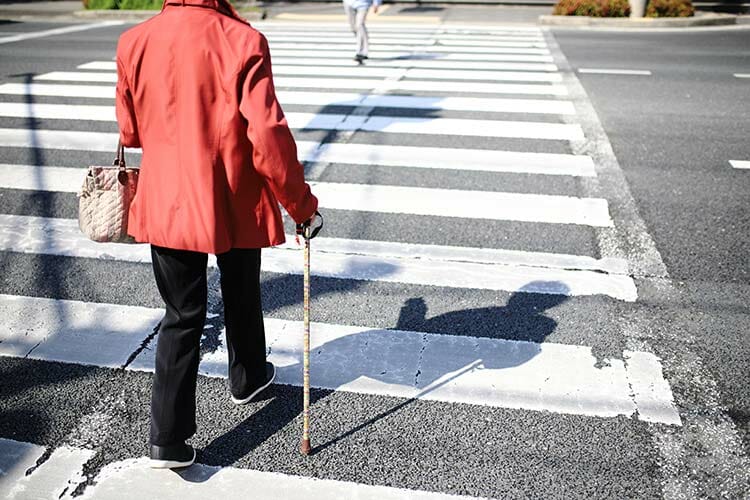
Elderly woman walking with cane across crosswalk after being dumped from a nursing home.

Patient dumping, also referred to as “involuntary discharge,” is the illegal eviction of a patient from a long-term care facility.

Most often, patient dumping takes the form of “hospital dumping.” A facility sends a patient off for hospital treatment of an acute issue, then gives away their bed to someone else, and refuses to take the patient back. With nowhere to go, some dumped residents go back to families who may not be able to care for them. The less fortunate may end up in motels, homeless shelters, or even on the streets.

If you or a loved one has recently been dumped from a California long-term care facility, you may still have time to file an appeal or an abuse claim. Through a free case evaluation, the Peck Law Group can examine your individual circumstances and help you choose the best route forward.

What Counts as a Long-Term Care Facility?

Senior nursing homes are not the only types of long-term care facilities. From assisted living facilities to skilled nursing homes, there are many reasons a person may need long-term care. For example, long-term patients can include people with complex medical needs who need 24-hour care; patients recovering from an accident, surgery or medical event; patients with temporary or permanent physical or cognitive impairments; and more.

Long-term care can last anywhere from a few weeks or months to ongoing care for the rest of a person’s life. Placing yourself or a loved one in long-term care is often a difficult, emotional decision, and the situation becomes even more heart-wrenching when a patient is dumped and left with nowhere to go.

Why Do Patients Get Dumped?

Although it is against the law, facilities dump patients for many different reasons. Perhaps you or your loved one required more demanding care than the facility was willing to provide, or maybe there were behavioral issues such as emotional outbursts or physical altercations. However, patient dumping is often financially motivated.

Medicare and private insurance companies reimburse long-term care facilities at much higher rates than Medicaid (called Medi-Cal in California) does. Therefore, Medi-Cal patients are less profitable to facilities than those covered by Medicare or private insurance companies.

Medicare coverage, however, is limited to 20 days of full coverage following an illness or injury, then 80 more days of partial coverage. Medicare patients tend to have shorter stays, allowing for quicker patient turnover and higher profits for facilities that shuffle patients in and out through a revolving door.

Unfortunately, this has led to an alarming trend of facilities dumping vulnerable, low-income Medi-Cal patients to make room for higher-paying patients covered by private insurance or Medicare.

What Does the Law Say?

There are federal and state regulations in place intended to prevent patient dumping. For example, in California, care facilities must hold a patient’s bed for up to seven days when a patient is transferred to a hospital. This rule is meant to deter hospital dumping.

Federal regulations require that:

  • Facilities must provide 30 days’ notice before a resident is transferred or discharged, except under specific circumstances (for example, if the resident’s health has improved enough to be discharged, if the resident’s presence endangers the health or safety of others in the facility, if the resident has urgent medical needs, or if the resident has lived in the facility fewer than 30 days).
  • The facility’s written notice must include specific information about the transfer or discharge, including the reason, effective date, location to which the resident is being moved, information on how to file an appeal, and more.
  • Facilities must provide appropriate documentation in the resident’s medical record and communicate.

Get the Legal Help You Need — and Deserve

If you or a loved one has been dumped by a long-term care facility, don’t wait to hire an attorney. The Peck Law Group offers top-notch representation backed by decades of successfully litigating long-term care abuse and neglect cases.

Let us help you find justice and recover compensation you are owed. Call 866-999-9085 or fill out the form on our site today for a free case evaluation.