phoneFREE CASE EVALUATION (866) 999-9085

 About Adam Peck

Adam J. Peck, ESQ is a principal with Peck Law Group, APC. In 2008, Mr. Adam Peck received his Juris Doctorate from Whittier Law School where he graduated Cum Laude. His practice is primarily dedicated to representing Elders, Dependent Adults, along with their loved ones and family members, who have suffered horrific personal injuries.

Elderly Bed Rail Accidents

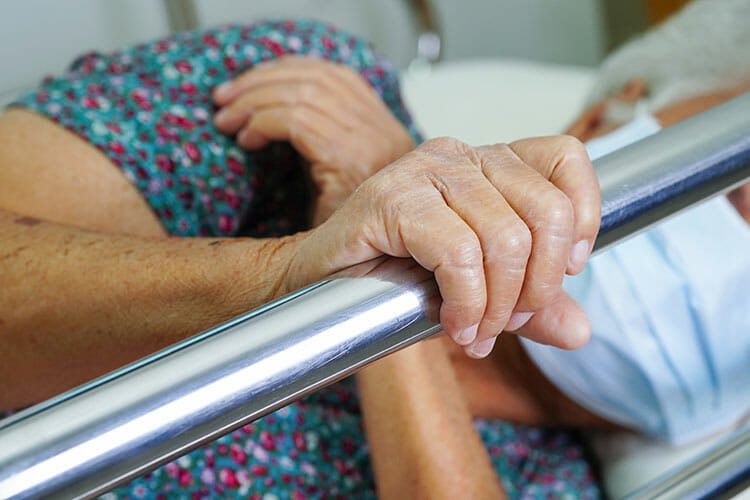
Elderly woman holding bed rail at California nursing home.

While adult bed rails are intended to be a safety product, they can cause injury or death when used incorrectly. Elderly, sick, or frail individuals are most likely to be affected.

Between 1985 and January 1, 2009, 480 deaths and 138 nonfatal injuries caused by bed rails were reported to the U.S. Food and Drug Administration. Although these incidents are relatively rare, they can be physically and emotionally devastating. Often, they occur when a family has entrusted a medical or long-term care facility with their loved one.

If your family has been impacted by a bed rail accident in California, the Peck Law Group’s experienced, results-driven attorneys can help you seek compensation. Reach out today for your free case evaluation.

Bed Rail Basics

Adult bed rails can be split into two categories:

  1. Hospital bed rails are medical devices that are designed specifically as part of a hospital bed or as a medical bed attachment. These are the safest type of bed rail but should still be used with caution.
  2. Portable bed rails used for adults that can be purchased without a prescription. This includes any product such as side rails, handles, grab bars, assist bars or other attachments not manufactured for medical or hospital beds. They are most likely to be used in nursing home, assisted living, long-term care, or home care settings.

Most Common Types of Bed Rail Injuries

Entrapment

Most bed rail injuries and deaths are caused by entrapment when a patient becomes lodged between the rail and the mattress or twisted in bedding. The patient may be strangled, asphyxiated, or suffocated.

For example, in 2022, the CPSC warned the public to immediately stop using 285,000 commercial adult portable bed rails manufactured by Mobility Transfer Systems Inc. and Metal Tubing USA Inc. The deaths of at least three elderly people were linked to the bed rails.

Patients who are elderly, frail, confused, agitated or on medication are most vulnerable to entrapment. Risk also increases when there are gaps between the rail and the mattress, or when rails are mixed and matched with beds or mattresses they were not designed for. This can occur in nursing homes, where beds are dissembled, moved and reassembled often.

Falls

Falls are most likely to occur with confused or disoriented patients. They may try to climb or roll over the rails or hurt themselves trying to get up from bed without assistance. Falls can lead to broken bones, bruises, cuts, scrapes, head injury or even death. 

Judge's gavel on top of a book of California bed rail laws.

Laws and Regulations

Both the U.S. Food and Drug Administration (FDA) and Consumer Product Safety Commission (CPSC) offer recommendations on bed rail safety, but laws vary by state. The California Department of Social Services licenses and monitors nursing homes, adult care facilities and other types of community care providers.

In residential care facilities for the elderly, California’s Code of Regulations allows the use of bed rail attachments that extend half the length of the bed from the head. It specifically prohibits the use of portable bed rails that extend the entire length of the bed. However, full-length rails may be used for hospice patients if specified in a care plan.  

What to Do if Your Loved One Was Injured or Died Due to a Bed Rail Injury

Each bed rail injury or death is unique, and the Peck Law Group can help you navigate your specific case. Call 866-999-9085 or fill out this form for a free case evaluation.   

Infections in Nursing Homes: A Breeding Ground of Problems

Nurse in scrubs and mask with clipboard on nursing home infections in California.

Millions of U.S. families depend on caretakers in nursing homes or other long-term care facilities to keep their loved ones safe, healthy, and comfortable.

The U.S. has more than 15,600 nursing homes and 28,900 assisted living or similar residential facilities. California alone has 5,900 assisted living communities, more than any other state.

Unfortunately, many residents of these facilities become victims of elder abuse or neglect. The Centers for Disease Control and Prevention (CDC) define elder abuse as “an intentional act or the failure to act that causes or creates a risk of harm to an older adult.”

One way elder abuse or neglect can manifest is when serious infections in nursing homes reoccur or go untreated.

Have You or a Loved One Suffered from Recurring or Untreated Infections?

You may be entitled to compensation to help cover medical care and other expenses. For help navigating your specific case, you can turn to the Peck Law Group. Call 866-999-9085 or fill out our online form for a free case evaluation.

There are several California laws that pertain to abuse and neglect of elderly or dependent adults. California nursing homes and other long-term care facilities are accountable to state entities designed to protect the elderly.

Nursing Homes: A Breeding Ground for Infections

In nursing homes, shared spaces and items, and frequent contact with other residents and staff can all lead to a long list of viral and bacterial infections. Inadequate cleaning and sanitation, lack of attention, poor hygiene, understaffing, or poorly trained staff may contribute to an infection arising, spreading, or going unnoticed or untreated.

As we age, our immune systems become more fragile and less capable of fighting off infections. Because of this, older adults often face more serious — or even deadly — health complications from infections. To make matters worse, elders with dementia, Alzheimer’s disease, or other mental impairments often cannot advocate for themselves and their care.

The Most Common Types of Nursing Home Infections:

Respiratory tract infections / Aspiration Pneumonia

Pneumonia and Aspiration Pneumonia are very common infection in nursing homes and are a leading cause of death among older adults. It can quickly become life-threatening in the elderly, especially those with heart failure or lung problems. Other types of nursing home respiratory infections include coronavirus, sinus infections, influenza, tuberculosis, bronchitis, or respiratory syncytial virus (RSV).

Respiratory infections can run rampant in nursing homes, especially with poor cleaning and hygiene. If nursing home staff do not act quickly to provide treatment and contain outbreaks, respiratory tract infections can spread and escalate quickly.

Aspiration Pneumonia, when food and foreign material enter the lungs, can cause death if the Elder is not being closely watched or positioned correctly while drinking and / or eating.

Urinary tract infections (UTIs)

Urinary tract infections (UTIs) are caused by bacteria entering the urethra. UTIs are especially common in nursing homes because many residents use catheters or diapers. Poor hygiene, leaving a catheter in for too long, or being left to sit in their own waste can cause UTIs in elderly individuals. UTIs frequently lead to kidney failure and sepsis.

Skin and soft tissue infections (SSTIs)

The third most common infection in nursing homes, skin and soft tissue infections (SSTIs) are often a direct result of neglect. Bedsores, or pressure ulcers, are the number one SSTI in long-term care facilities. Bedsores occur when an elderly or physically incapacitated person are left in one position for more than a few hours, cutting off the skin’s blood supply, and depending on the seriousness of the Bedsore or Pressure Injury, the elder may incur life threatening Sepsis (infection of the blood) and Osteomyelitis.

Other types of SSTIs in nursing homes include diabetic wound infections, staph infections (including MRSA), scabies, herpes zoster (shingles), herpes simplex and more. When neglected by nursing home staff, SSTIs can turn deadly quickly. Nursing homes should prevent SSTIs with proper hygiene and nutrition, helping residents move around when possible, and changing patients’ positions frequently.

Gastrointestinal infections

Gastrointestinal infections can quickly wreak havoc in nursing homes because they are extremely contagious and can be spread through food, water, or other means. Norovirus, gastroenteritis, clostridium difficile (c-diff), foodborne illnesses and other GI infections that cause nausea, vomiting and diarrhea create a major risk of dehydration and malnutrition for elderly individuals.

How to Pursue Compensation

If you or a loved one has suffered from an infection due suspected abuse or neglect in a California long-term care facility, you may be able to file a lawsuit. With 52+ years of combined experience, the Peck Law Group’s attorneys are prepared to fight for your best possible outcome. Get started with a free case evaluation by calling 866-999-9085 or filling out our free case evaluation form.

Subdural Hematoma due to Nursing Home Fall

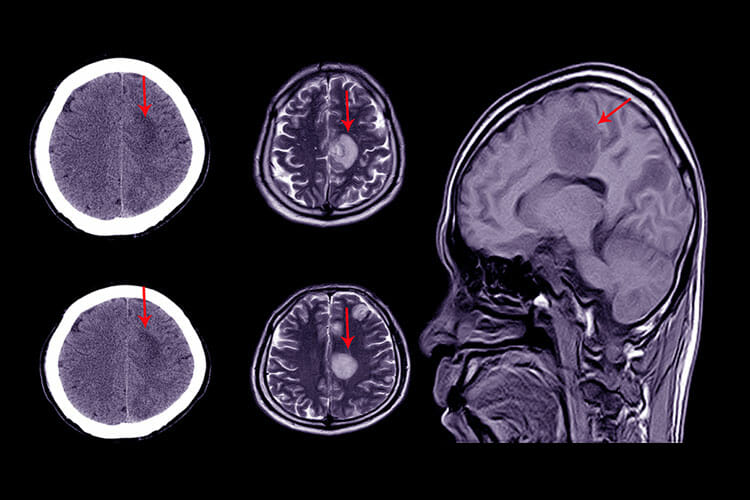
Brain scan / xray of subdural hematoma

When our loved ones are in the care of a nursing home, we want to believe that they are in the safest possible place. Unfortunately, nursing home injuries are more common than many people realize. Falls are the leading cause of nursing home injuries and can have devastating consequences, including subdural hematomas.

If you or a loved one has suffered a subdural hematoma / brain bleed due to a nursing home fall, you may have grounds for a lawsuit. Call the Peck Law Group at 866-999-9085 or fill out the form on our site for a free case evaluation.

What is a Subdural Hematoma?

A subdural hematoma occurs when a blood vessel is damaged and leaks beneath the dura mater, a membrane between the brain and skull. The leaking blood causes a hematoma, which is a blood pool or clot that puts pressure on the brain.

Subdural hematomas can cause headaches, confusion, drowsiness, nausea and vomiting, vision issues, slurred speech, breathing problems, paralysis, seizures, loss of consciousness and even death. Brain bleeds are most commonly caused by severe head injuries, like those from a fall or a car crash.

In older adults, subdural hematomas can be caused by even minor head injuries or bumps to the head. As we age, the brain shrinks and the membranes between the brain and the skull are stretched. This makes veins in the membranes more vulnerable to tears and bleeds.

Nursing home residents taking anticoagulants or blood thinners are also at higher risk of subdural hematoma. Blood thinners slow down or stop blood clotting, which can cause bleeding to be excessive and long-lasting.

The effects of subdural hematoma may begin within 24 hours of a resident’s fall, or they may take up to two weeks to appear. After a fall, any head injury should be taken seriously and examined by a doctor, even if the resident is not experiencing symptoms. Most subdural hematomas require surgical drainage.

Was it Nursing Home Abuse and Neglect?

Falls are extremely common in nursing homes, and not all nursing home falls are caused by nursing home abuse or neglect. Some questions to consider as you process whether the fall was caused by abuse or neglect include:

  • Was the fall caused by a hazard in the nursing home?
  • Did the resident fall because they were unable to get help from the staff?
  • Did the nursing home fail to assess the resident for a health condition that caused the fall or worsened the injury?
  • Did improper administration of prescription medication contribute to the fall?
  • Did the lack of a protective or mobility device, like a bed rail or walker, contribute to the fall?

The Peck Law Group’s experienced subdural hematoma lawyers can evaluate whether the nursing home may be liable in your or your loved one’s specific case.

With offices throughout California, we leverage decades of experience in elder and personal injury law to achieve the best possible outcomes for our clients. Call 866-999-9085 or fill out the form on our site for your free case evaluation.