phoneFREE CASE EVALUATION (866) 999-9085

 About Adam Peck

Adam J. Peck, ESQ is a principal with Peck Law Group, APC. In 2008, Mr. Adam Peck received his Juris Doctorate from Whittier Law School where he graduated Cum Laude. His practice is primarily dedicated to representing Elders, Dependent Adults, along with their loved ones and family members, who have suffered horrific personal injuries.

The Federal Government Has Readjusted Quality Standards For Skilled Nursing Facilities Neglect

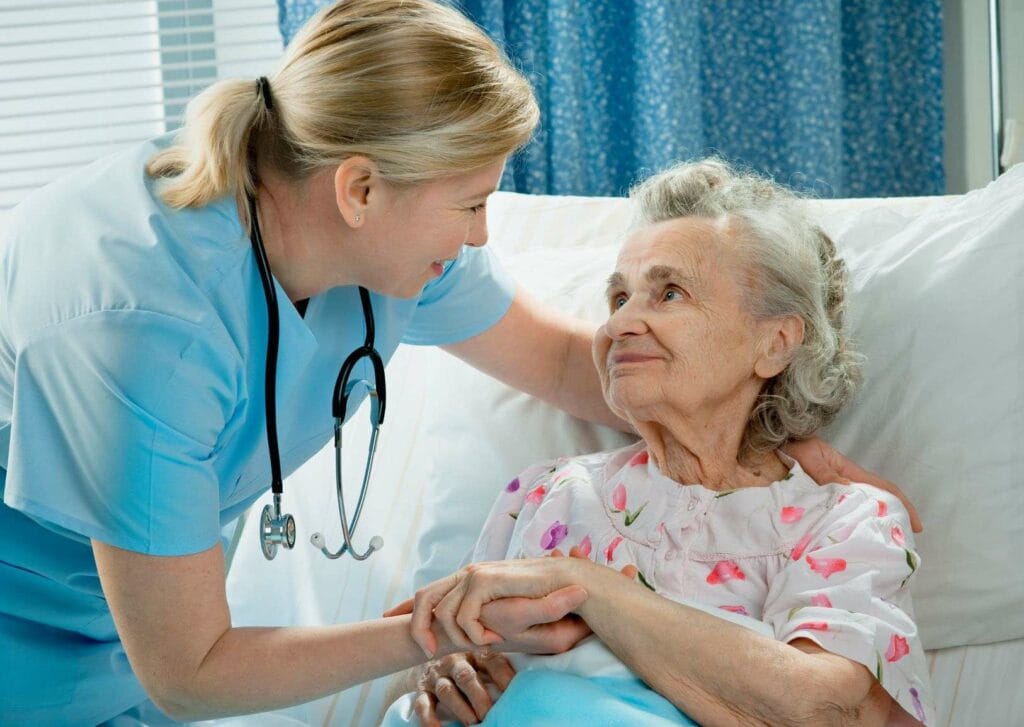
Elderly woman and nurse in a skilled nurding facility. Image © Alexander Raths

The star ratings of nearly a third of the nation’s skilled nursing facilities were lowered, as federal officials readjusted quality standards in the face of criticism that the ratings were inaccurate and artificially inflated.

Federal officials said they hoped the changes would make it easier for consumers to differentiate between skilled nursing facilities, as well as spur skilled nursing facilities to make improvements.

The changes that took effect were mainly aimed at one of three major criteria used to rate the homes on the Nursing Home Compare website, which ranks more than 15,000 skilled nursing facilities on a one- to- five-star scale. Officials essentially adjusted the curve for the quality-measures rating, which is based on information collected about every patient.

Representatives for the nursing home industry said that rather than helping consumers, the changes could frustrate them.

Advocates for nursing home residents, however, described the changes as long overdue.

Nursing Home Compare has become the gold standard for evaluating the nation’s nursing homes, even as it has been criticized for relying on self-reported, unverified data. The website receives 1.4 million visits a year.

The New York Times reported that the rating system relied so heavily on unverified information that even homes with a documented history of quality problems were earning top ratings. Two of the three major criteria used to rate operations — staffing levels and quality measures statistics — were reported by the homes and not audited by the federal government.

The federal government announced that it would start requiring nursing homes to report their staffing levels quarterly — using an electronic system that can be verified with payroll data — and that it would begin a nationwide auditing program aimed at checking whether a home’s quality statistic was accurate.

Before the changes, about 80 percent of the nation’s skilled nursing facilities received a four- or five-star rating out of five on their quality measures score; afterward, nearly half did. The number of homes receiving one star in that area increased to 13 percent, from 8.5 percent, after the reclassification.

The changes led to declines in the quality-measures rating of 63 percent of homes. The staffing scores of about 13 percent of homes also fell because of other adjustments.

Federal officials said the higher bar reflected the fact that the industry had improved since December 2008, when the rating system was put into effect.

– from Steven Peck, Senior Personal Injury Attorney at Peck Law Group
Elder Abuse and Neglect Warning Signs, Risk Factors, and Prevention

Elder Care Physical Abuse

Watch for the Warning Signs of Elder Abuse

As elders become more physically frail, they’re less able to stand up to bullying and or fight back if attacked. They may not see or hear as well or think as clearly as they used to, leaving openings for unscrupulous people to take advantage of them. Mental or physical ailments may make them more trying companions for the people who live with them.

Tens of thousands of seniors across the United States are being abused, harmed in some substantial way often people who are directly responsible for their care. More than half a million reports of abuse against elderly Americans reach authorities every year, and millions more cases go unreported.

Where does Elder Abuse take Place?

Elder abuse tends to take place where the senior lives: most often in the home where abusers are apt to be adult children; other family members such as grandchildren; or spouses/partners of elders. Institutional settings, especially long-term care facilities, can also be sources of elder abuse says Los Angeles Elder Abuse Attorney Steven C. Peck.

Be Aware of the Different Types of Elder Abuse

Abuse of elders takes many different forms, some involving intimidation or threats against the elderly, some involving neglect, and others involving financial chicanery. The most common are defined below.

Physical Elder Abuse:

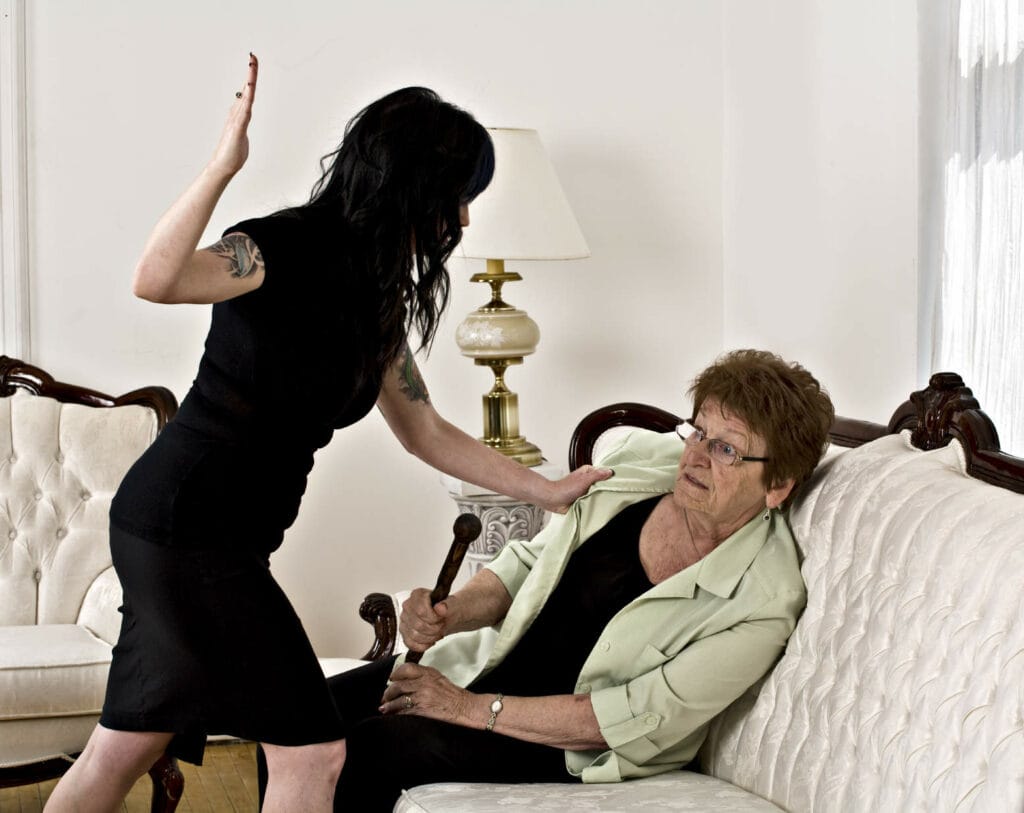
Physical elder abuse is non-accidental use of force against an elderly person that results in physical pain, injury, or impairment. Such abuse includes not only physical assaults such as hitting or shoving but the inappropriate use of drugs, restraints, or confinement.

In emotional or psychological senior abuse, people speak to or treat elderly persons in ways that cause emotional pain or distress.

Verbal forms of Emotional Elder Abuse Include:

  • Intimidation through yelling or threats
  • Humiliation and ridicule
  • Habitual blaming or scapegoating

Nonverbal Psychological Elder Abuse can take the Form of:

  • Ignoring the elderly person
  • Isolating an elder from friends or activities
  • Terrorizing or menacing the elderly person

Sexual Elder Abuse:

Sexual elder abuse consists of contact with an elderly person without the elder’s consent. Such contact can involve physical sex acts, but activities such as showing an elderly person pornographic material, forcing the person to watch sex acts, or forcing the elder to undress are also considered sexual elder abuse.

Neglect or Abandonment by Caregivers:

Elder neglect, failure to fulfill a caretaking obligation, constitutes more than half of all reported cases of elder abuse. It can be active (intentional) or passive (unintentional, based on factors such as ignorance or denial that an elderly charge needs as much care as he or she does).

Financial Exploitation:

This involves unauthorized use of an elderly person’s funds or property, either by a caregiver or an outside scam artist.

An Unscrupulous Caregiver Might:

  • Misuse an elder’s personal checks, credit cards, or accounts
  • Steal cash, income checks, or household goods
  • Forge the elder’s signature
  • Engage in identity theft

Typical Rackets that Target Elders Include:

  • Announcements of a “prize” that the elderly person has won but must pay money to claim
  • Phony charities
  • Investment fraud

Healthcare Fraud and Abuse:

Carried out by unethical doctors, nurses, hospital personnel, and other professional care providers, examples of healthcare fraud and abuse regarding elders include

  • Not providing healthcare, but charging for it
  • Overcharging or double-billing for medical care or services
  • Getting kickbacks for referrals to other providers or for prescribing certain drugs
  • Overmedicating or undermedicating
  • Recommending fraudulent remedies for illnesses or other medical conditions
  • Medicaid fraud

– from Steven Peck, Senior Injury Attorney Los Angeles at Peck Law Group

Skilled Nursing Home Patients Are More Likely to Suffer From Dehydration

Dehydration in elderly nursing home patients can cause serious health problems, or worse. Licensed image © Jean-Marie Guyon

Learn the Signs of Dehydration in your Elder Loved One

Studies have found that dehydration was more common among those who came from nursing homes.

In serious cases, dehydration can lead to high levels of sodium in the blood, a condition called hypernatremia that can increase the risk of dying, says Peck Law Group Los Angeles Nursing Home Abuse lawyer Steven Peck.

People in nursing homes may be at a greater risk of dehydration, especially if they require assistance and may not drink enough fluids on their own. its is very important that we ensure that the older population are encouraged and supported to drink. Dehydrated patients statistically are more than five times more likely to die in the hospital.

Seniors may avoid drinking because they fear no one will help them get to the bathroom in time, dehydration is a significant problem in nursing home patients all over the world. Vulnerable elders are at risk for dehydration because with aging, the thirst that drives people to drink fluids changes and they’re not as likely to get thirsty as quickly.

Dehydration can happen quickly, especially when people have a fever or diarrhea – and nursing home staff may not always be aware of how high the risk is for some of the most vulnerable seniors.

The Peck Law Group encourages family members to visit their elderly frail relatives at different times of day and make sure water is readily accessible and to constantly remind nursing home staff to encourage the family member patient to drink fluids even though they may not feel thirsty.

Elders are at a higher risk of dehydration in nursing homes, but the risk can also be very high for elderly people who live at home too. We all need to watch very closely the care that our elders are receiving.

– from Steven Peck, Senior Attorney at Peck Law Group