FREE CASE EVALUATION
  About Adam Peck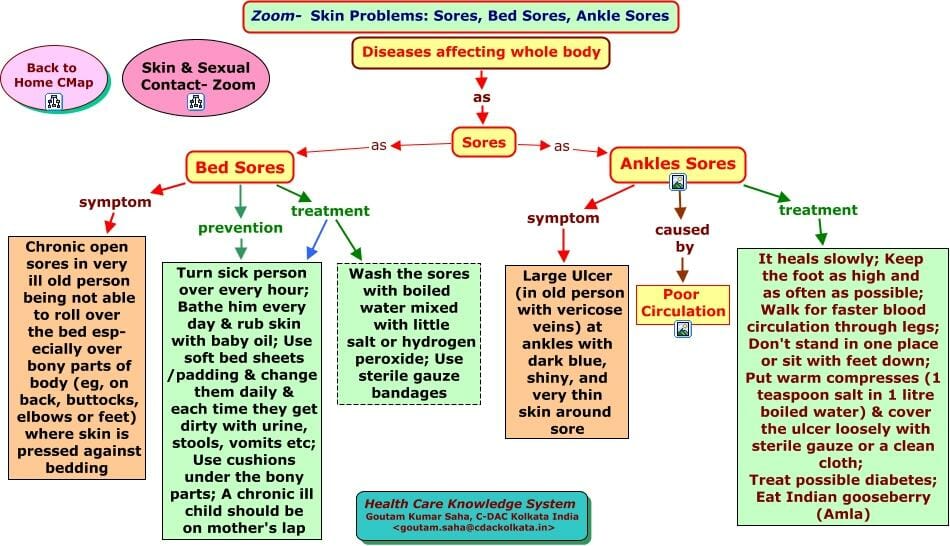
 Preventing Bed Sores: An elder husband of Irma Lancaster developed bed sores while in the hospital and those wounds caused him to develop two serious infections: sepsis and Clostridium difficile. The bed sores were so severe and the infections so strong that they persisted for more than a year and he ultimately died from a combination of cardio respiratory arrest and sepsis. The sad truth is that these bed sores should never have occurred. In fact, all bed sores are preventable and at worst, if one begins to develop, immediate action can lead to rapid healing with no damage.
Never let anyone tell you that bed sores are an accepted fact of life of long term care. They are not. The overwhelming number of long-term hospital and nursing home patients never develop bed sores thanks to the application of good standards of care, the use of modern technology and the diligent work of the medical staff.
The presence of bed sores, particularly advanced bed sores, is almost always an indicator that medical malpractice / neglect and possibly elder abuse has occurred. Advanced bed sores are very painful, difficult to treat and can lead to life-threatening infections.
This article provides basic information on bed sores by explaining what they are, how they form, how to prevent bed sores, the four stages of bed sores and how they are treated. This information is not a substitute for medical or legal advice. If you need medical treatment, please see a medical doctor as soon as possible. If you need legal advice, you should consult an experienced medical malpractice attorney.
What are bed sores?
Bed sores, sometimes spelled as bedsores and sometimes known as pressure sores are decubitus ulcers. These pressure ulcers result from prolonged pressure on the skin, though repeated friction can cause bed sores as well. They may begin as a mild pink mark on the skin though they can develop into open and deep wounds that extend to or even through bones.
How do Bed Sores Occur?
A bed sore will develop when a person’s skin becomes trapped between his or her bones and an external surface, such as a hospital bed or a wheelchair. If this condition persists, a lack of blood circulation will occur and the skin will decay. It is easy to understand how repeated friction can cause the skin to blister or tear. Bed sores develop their name because they often occur during a prolonged hospital or nursing home stay when a person may lay in bed for hours or days on end with little or no movement.
Bed sores most often develop near bony areas of the body. For example, these skin ulcers will develop when a patient’s skin becomes trapped between the hip bone and a nursing home mattress for an extended period of time. Other bones that frequently become involved with bed sores include the spine, tailbone, elbow, heel and foot.
The longer a person goes without moving, the more likely a bed sore will form and the longer it goes untreated and the pressure unalleviated, the worse the bed sore will become. Nursing homes with lax standards or inadequate staffing often produce conditions where patients develop bed sores.
Preventing Bed Sores
The best way to avoid bed sores is to ensure regular movement of the body and to keep the person well-hydrated and well nourished. The hydration and nourishment promote healthy skin and good blood flow. The regular movement ensures that no part of the skin becomes trapped for a prolonged period of time. Standard protocols in nursing home and extend hospital stays require moving a bed-ridden at least once every two hours.