phoneFREE CASE EVALUATION (866) 999-9085

 About Adam Peck

Adam J. Peck, ESQ is a principal with Peck Law Group, APC. In 2008, Mr. Adam Peck received his Juris Doctorate from Whittier Law School where he graduated Cum Laude. His practice is primarily dedicated to representing Elders, Dependent Adults, along with their loved ones and family members, who have suffered horrific personal injuries.

Bed Sores – A Comprehensive Guide

Nurse outside of a California nursing home with bed sores patient in wheelchair

Bed sores, also known as decubitus ulcers, pressure sores, and pressure ulcers, are one of the most common injuries resulting from nursing home neglect.

Bed sore injuries can range in severity from mild to very serious. Learning the signs and symptoms of bed sores as well as what you can do to take action may help in preventing this type of neglect from happening.

If you or a loved one have developed bed sores at a long-term care facility, it’s important to act right away. Contact the Peck Law Group today to learn more about your legal rights and the best steps to take following this type of negligence. Your action may not only help you and your loved ones, but also countless others that are being neglected at the long-term care facility.

Table of Contents:

How Do Bed Sores Form?

Bed sores form when pressure is applied to a body part for extended periods of time.

In nursing homes, bed sores can form due to friction from the skin making contact with bedding, a brace, or a cast. Another way that bed sores form is due to skin exposure to cold temperatures for an extended period of time.

There are certain parts of the body that tend to be more susceptible to developing bed sores such as the hips, elbows, spine, and tailbone. These areas are more likely to develop bed sores because the skin tissue sits on top of the bone.

How Do You Treat Bed Sores?

When a bed sore develops, it is crucial to start treatment right away.

The first step in treating a bed sore injury is keeping the wound clean.

Next, if there is any necrotic tissue, it must be removed to prevent infection. If the sore(s) have become infected, antibiotics are a commonly given.

If a bed sore wound is deep, surgical removal of the necrotic tissue may be needed. In very severe cases, amputation of the affected area may be required.

It is also essential to remove pressure from any body parts affected by bed sores. This way, you can prevent further damage and injury.

Additionally, the elderly person who is suffering from bed sores should maintain proper hydration and nutrition. Proper nutrition and hydration help the body to repair itself and recover from bed sore injuries.

Bed sores should be treated right away. When there is a delay in treatment, the injuries can get substantially worse, and may even cause permanent disability or death.

Diagram of bed sores at four stages

Decubitus Ulcer Stages

According to the Centers for Disease Control and Prevention (CDC), nearly one in ten nursing home residents currently suffer from decubitus ulcer (bed sore) injuries.

Bed sore injuries are measured in four stages, ranging from the mildest injuries at stage one and the most severe injuries at stage four.

Stage One

Stage one bed sores only impact the upper layer of the skin.

Symptoms of stage one may include burning, itching, and mild pain. The affected area may also feel firmer, softer, cooler, or warmer than the surrounding skin. In some cases, stage one bed sores cause a red area on the affected skin.

For a stage one bed sore injury, immediately relieve the area of any pressure. If the injured person is in bed, they should move (or be moved by caretakers) at least once every two hours.

Stage one bed sore treatment typically includes washing the area with mild soap and water. Sores at this stage should get better within two to three days. If it does not resolve, it is time to see a doctor.

Stage Two

A stage two bed sore injury occurs as the sore starts to dig deeper, going below the skin surface.

Stage two symptoms include an open wound, broken skin, or a bump similar to a pus-filled blister.

Stage two sores are more painful than stage one. Comparatively, the area affected by the bed sore will be warm, red, or swollen in a stage two injury. In addition, the sore may ooze pus or a clear liquid.

To treat a stage two bed sore injury, first, wash and dry the affected area. You may also need to clean the wound with a salt-water or plain water solution. This may be painful, so your doctor may recommend that you take pain relief medication.

The bed sore should remain covered, with either moist gauze or a see-through dressing. This method will allow you to observe any signs of infection, like redness, pus, or developing a fever.

If you notice any indicators of an infection, contact your doctor right away. Stage two sores should resolve in anywhere from three days to three weeks. If the bed sore does not heal within that time frame, you should see a doctor.

Stage Three

A bed sore is considered at stage three when it has moved into the fat tissue after going through the second layer of skin. At stage three, the sore may have a foul odor and look like a crater.

There may also be signs of infection present. Signs of infection include bad odor, pus, red edges, drainage, and heat. If the tissue around the sore or in it is black, that means it is dead tissue.

Stage three bed sores generally need specialized medical care. A doctor will need to remove any dead tissue from the area. Antibiotics are also often prescribed to fight infection.

At this stage, the sore will take at least a month to heal and may require up to four months to fully heal.

Stage Four

Stage four bed sore injuries are the most serious. At this stage these injuries may impact your ligaments and muscles.

A stage four bed sore is large and deep. Typically, the affected skin has turned black and is showing signs of infection.

Signs include bad odor, pus, red edges, drainage, and heat. Additionally, muscles, tendons, and even bone may be visible.

Someone with a stage four bed sore injury will require immediate medical care. In some cases, surgery or amputation of the affected area may be necessary. At this stage, it may take anywhere from a few months to a few years to heal.

Elderly woman in wheelchair outside due to pressure ulcers

Factors that Increase the Risk of Developing Bed Sores

There are certain factors that have been found to increase the risk of the development of bed sores. Bed sores tend to be more common in people who are immobilized (due to injury or illness) and those with long-term spinal cord injuries.

Nursing home residents with certain neuropathic conditions, like diabetes, have reduced sensation. This can contribute to bed sore injuries simply because they are not as aware of what is happening to their bodies.

Additionally, nursing home residents who cannot move specific body parts may have a greater risk of developing bed sores. Nursing home caregivers should be alerted to residents with these conditions so that they can ensure they are receiving proper care.

Some other factors that increase the risk of bed sore injuries include:

  • Poor blood circulation (could be due to diabetes, smoking, or vascular diseases)
  • Older age (skin becomes thinner and more vulnerable with age)
  • Reduced mental awareness (due to medication, injury, or disease)
  • Incontinence of either urine or feces, which can cause moist skin and increase the risk of skin damage and breakdown
  • Poor diet (in particular, a lack of vitamin C, protein, and zinc)
  • A low or high body mass index

Complications That May Arise

When bed sore injuries go untreated, serious complications may develop.

One potentially life-threatening condition that may occur is cellulitis. Cellulitis is a bacterial infection of the skin, which can be from the surface through the deepest layer of the skin. This infection can result in blood poisoning and cause an infection to spread to other parts of the body.

Other infections, such as bone and joint infections, can occur if a bed sore injury spreads to the bones or joints. This infection can lead to damage to tissue and cartilage, which can cause a reduction in joint and limb function.

Another complication that can occur as a result of a bed sore injury is sepsis. With sepsis, bacteria enter through sores and infects the bloodstream. This can cause shock as well as organ failure, which then becomes life-threatening.

Further, studies have shown that there is also a higher risk of developing skin cancer if the patient has bed sores.

Nurse assisting patient with bed sores

Preventing Bed Sore Injuries in Nursing Homes

Bed sore injuries can quickly become serious and life-threatening. For this reason, it is essential that nursing homes and their staff members take proper precautions to help residents avoid this type of injury.

There are a few different ways that staff members can work to prevent residents from bed sore injuries:

  • Regularly repositioning nursing home residents. Regular repositioning can help guard against bed sores because it eliminates the potential for longer periods of pressure on areas of the body. The general guideline for repositioning is to change positions every two hours. Nursing home staff should remember that some residents are unable to reposition on their own, so it is important to help as needed.
  • Using special devices to help with physical support.
  • Ensuring that residents practice good hygiene and take proper care of their skin can.
  • Provide ways for nursing home residents to stay active whenever possible.
  • Check residents’ skin on a regular basis for any signs of discoloration. Everyday use of moisturizing lotions and products can help prevent dryness. Dry skin may be more susceptible to developing bed sores, so staying moisturized can help avoid these injuries.

Bed Sores are a Form of Nursing Home Neglect

Bed sores are a common injury resulting from nursing home neglect.

Since elderly individuals living in nursing homes are already more susceptible to bed sore injuries, staff should take extra care.

When a senior develops bed sores while living in a nursing home, it may be considered neglect. In nursing homes, neglect occurs when the home and its staff fail to provide a resident with proper care—leading to injury.

Nursing home staff members must take special care with their elderly at-risk patients.

Residents with mobility issues should be regularly repositioned. Additionally, nursing home staff members should perform routine head-to-toe skin assessments and make a note of any medical conditions that could make a resident more likely to develop bed sores.

Nursing homes that have neglectful practices should be held accountable for their actions and inaction.

If you or a loved one developed a bed sore injury due to the neglect of a nursing home and its staff, you might be entitled to legal compensation.

Nursing Home Neglect and Abuse Cases Arising from Bed Sores

When a nursing home and its staff are negligent in any way, causing a resident to suffer injury, the resident may be entitled to compensation. This compensation can include money for medical bills incurred due to the injuries. It can also include money for the pain and suffering the resident experienced as a result of their injuries.

In some cases, punitive damages may also be available to victims of nursing home abuse and neglect. Punitive damages, in this context, are designed to punish a nursing home for egregious, dangerous, and reckless behavior. A nursing home neglect attorney can help explain whether or not this form of compensation is a possibility in your case.

Have You or a Loved One Developed Bed Sores While Under Long-Term Care?

An experienced nursing home neglect attorney can help you or your loved ones fight back against this form of nursing home abuse and neglect.

If you or a loved one has suffered bed sore injuries due to the negligence and neglect of a nursing home, contact the Peck Law Group today.

With multiple offices throughout California, The Peck Law Group’s bed sore attorneys can you assist you with your case throughout California including (but not limited to):

Our attorneys have many years of experience handling all different kinds of nursing home abuse and neglect cases, including cases involving bed sores.

We offer a free and confidential consultation. Our firm does not collect a fee unless we successfully win financial compensation for you.

Give our office a call today at (866) 999-9085 to learn more about how we can help you pursue legal compensation for nursing home neglect and abuse injuries.

Elder Abuse Statistics & Information

Daughter showing elderly mother statistics on elder abuse in California and throughout the United States

Elder abuse is a serious concern, affecting many Americans each year. One way to prevent elder abuse is to educate more people about the issues surrounding this form of abuse.

Ideally, the more people who are aware of the signs of elder abuse, the quicker these cases will be prevented. Learning about the statistics surrounding elder abuse can help people understand the bigger picture.

What is Elder Abuse?

For a deeper understanding of these issues, it is important to first learn exactly what elder abuse is. Elder abuse can include emotional abuse, financial abuse, sexual abuse, physical abuse, and neglect.

Anyone can be a perpetrator of elder abuse, including caregivers and family members. Caregivers, including staff at nursing homes and assisted living facilities, are some of the most common perpetrators. Five of the most common forms of elder abuse are explained in greater detail below.

Emotional Abuse

Emotional abuse of elderly individuals includes verbal assault, harassment, intimidation, and threats of other forms of abuse.

Financial Abuse

Financial abuse of elderly individuals includes the misuse of that person’s financial resources or withholding financial resources. It can also include fraud, coercion, and influencing an elderly person to make unexpected changes to their will.

Sexual Abuse

Elder sexual abuse includes any form of sexual activity involving an older adult when that person is unable to consent or understand what is occurring. Another form of elder sexual abuse involves sexual activity in which the elderly individual is forced to participate or is otherwise unwilling to consent to the sexual act.

Physical Abuse

Elder physical abuse involves the inflection of physical pain or injury upon an elderly adult.

Neglect

An elderly person is a victim of neglect when a caregiver fails to provide them with things necessary for survival. This can include failure to provide clothing, food, shelter, or medical care.

Statistics About the Victims of Elder Abuse

Nearly one out of every ten Americans who are age 60 or older have experienced elder abuse. According to some studies, approximately five million elderly individuals are abused every year.  A 2013 study found that victims of elder abuse are actually three times more likely to be admitted to a hospital over time than other elderly persons.

Statistics About Perpetrators of Elder Abuse

Elder abuse perpetrators are both men and women. In approximately 60% of elder abuse and neglect cases, the perpetrator of the abuse is a family member. Additionally, about two-thirds of perpetrators of elder abuse are spouses or adult children of the victims.

A 2014 study was conducted on the topic of financial exploitation of older adults. According to this study, family members are the most common perpetrator of financial abuse. Family members were the perpetrators in just under 58% of the 4,156 cases studied.

The same study found that neighbors and friends were perpetrators of financial abuse in about 17% of the cases. Additionally, home care aides were the perpetrators in about 15% of these cases.

A study was done in 2011 that conducted an analysis of news articles about elder abuse and neglect. According to this study, approximately 60% of the perpetrators were men. The study also found that of these male perpetrators, the majority were between the ages of 30 and 59.

Statistics About Different Forms of Elder Abuse

In a 2008 study published in the Journals of Gerontology Series B, Psychological Sciences and Social Sciences, verbal abuse was the most commonly reported form of abuse. The study respondents’ next most commonly reported type of abuse was financial mistreatment. Finally, physical mistreatment was reported at a rate of less than 1%.

Statistics About Risk Factors Associated with Elder Abuse

There are certain factors that have been shown to increase a person’s susceptibility to becoming an elder abuse victim. Dementia is one risk factor. According to a 2009 study, nearly 50% of individuals with dementia become victims of some form of abuse.

Having low social support is another risk factor associated with elder abuse. In fact, low social support tends to significantly increase the risk of all forms of mistreatment.

A 2014 study published in the Journal of General Internal Medicine discovered that a large number of household members results in an increased risk of abuse. This risk factor is especially significant when it comes to financial abuse.

Additionally, poverty and low income have been found to be associated with elder abuse. This finding comes from a 2015 study published in the Journal of Elder Abuse and Neglect. The study also concluded that low economic resources are conceptualized as a situational or contextual stressor that contributes to elder abuse.

Statistics About Reporting Elder Abuse

Numerous studies over the years have revealed that elder abuse is severely underreported. The National Council on Aging estimates that only one out of every fourteen cases of elder abuse are reported to the authorities. It has also been found that adults in their late 50s and 60s tend to be more likely to report financial or verbal mistreatment, as compared to older adults.

According to the New York State Elder Abuse Prevalence Study, there are at least 24 cases of elder abuse for each known reported case. However, while these instances still tend to go substantially unreported, Adult Protective Services agencies have noticed that reports of elder abuse have increased. This is a good indicator that, hopefully, cases are more frequently reported.

Elder Abuse and Neglect Attorneys

If you or a loved one is a victim of any form of elder abuse, the attorneys at The Peck Law Group can help. When elder abuse or neglect occurs as a result of negligence on the part of a nursing home or assisted living facility, the victim may be entitled to compensation for their injuries. This compensation may include money for medical bills and costs, as well as money for pain and suffering.

Our team of attorneys aggressively fights for the rights of our injured clients. To schedule a free consultation and learn more about how we can help, contact us at The Peck Law Group today.

Nursing Home Abuse During COVID-19

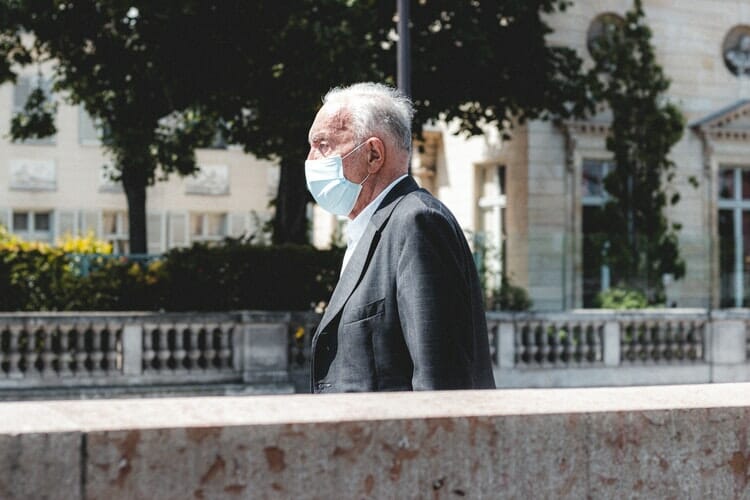
Man Wearing Mask Due to Covid-19 Abuse in a Nursing Home

While always a concern, nursing home abuse has more people worried these days due to the COVID-19 pandemic. The World Health Organization (WHO) has formally declared COVID-19, also known as the novel corona virus, a global pandemic. There is a legitimate fear of elder abuse for nursing home residents and others who have loved ones living in nursing homes during this time.

This fear becomes even stronger when we hear that the virus is more deadly for the elderly population. There seems to be less action taken to prevent the virus from spreading in nursing homes. To some people, the lives of elders tend to be undervalued. This is a serious problem that needs attention.

The COVID-19 Pandemic and Effect on Nursing Homes Throughout the Country

The pandemic itself is a substantial health issue. Special procedures must be implemented in order to ensure that the elderly population is protected from COVID-19.

The virus is attacking nursing homes in many different areas of the country. One such location, San Antonio, Texas, recently had a major outbreak of COVID-19 in a nursing home. This San Antonio nursing home has been cited for infection control problems.

Similar scenarios are popping up in cities and states all over the United States, including nursing homes in Chicago, Seattle, Georgia, New York, and California.

The Centers for Medicare and Medicaid Services Nursing Home Guidelines

The Centers for Medicare and Medicaid Services (CMS) set forth guidelines for nursing homes to follow during the pandemic. These guidelines are meant to help protect the elderly population from contracting and spreading COVID-19.

The CMS guidelines include guidance for controlling and preventing the spread of COVID-19, along with other infectious diseases. These guidelines are to be implemented in nursing homes, assisted living facilities, and long-term care facilities.

One of the CMS guidelines is that visitors to nursing homes in some locations will be severely restricted. In some locations, visitors will not be allowed. Additionally, the health care workers who take care of the residents are under careful scrutiny. Nursing home employees will be monitored for any indications of the virus, including fevers, coughing, shortness of breath, and sore throat.

If a nursing home worker is showing signs of the virus, they should be sent home right away. They should also promptly receive a COVID-19 test. If a nursing home employee receives a positive test result, anyone they came in contact with should also get a test.

Nursing holding globe with a covid-19 mask over it for nursing home abuse awareness

Meeting Nursing Home Patients’ Needs During the Pandemic

While it is important to follow the additional guidelines for nursing homes to help stop the spread of COVID-19, it is also essential to properly care for residents. Since visiting is restricted in many places and not allowed at all in others, it is important to help meet residents’ social needs in other ways.

For example, a nursing home can allow loved ones to visit virtually through video calls. A nursing home could also allow residents to have visitors through their windows. These methods, while not ideal, still allow for some face-to-face contact.

As a family member or friend of someone living in a nursing home, you can help them by staying in contact. With regular contact with your loved one, you can keep an eye on how things are going.

If they are not being cared for the way that they should be, you may be one of the first to notice. Then, you can help your loved one take action before any more harm can be done.

Increased Risk of Elder Abuse During the COVID-19 Pandemic

There have been some reports that elderly individuals have been suffering even more abuse than usual during the COVID-19 pandemic. Instances of elder abuse being reported have increased during this difficult time.

Unfortunately, this increase is not shocking, since elder abuse occurs in the first place due to the vulnerability of the elderly population. Due to the isolation brought on by quarantining and other tactics used to slow the spread of the virus, this population has become even more vulnerable.

As a result of quarantine policies in many areas throughout the country, nursing homes have also become more isolated. Since elderly individuals tend to be more vulnerable to contracting the COVID-19 virus, many nursing homes have enacted strict visitation policies. Where visitors are permitted, masks, temperature checks, and other measures are implemented to help reduce infection.

Why Elder Abuse Has Become More Frequent Due to the COVID-19 Pandemic

While there are substantial benefits to these practices, unfortunately, it creates an environment of opportunity for perpetrators of elder abuse. Nursing home abuse tends to occur most often in situations involving isolation and reduced oversight.

The current lockdown rules due to COVID-19 can give abusers an opportunity to commit acts of abuse and prevent their victims from seeking help. Family and friends of nursing home residents play a crucial role in catching and reporting nursing home abuse and neglect. If the restrictions in place due to the pandemic keep people from their loved ones in nursing homes, this can just make matters worse.

How to Help an Elderly Loved One Who May Be a Victim of Nursing Home Abuse

If your loved one may be suffering from nursing home abuse during the pandemic, it is essential to act quickly. Keep yourself informed of the official visitation policies in place at your loved one’s nursing home. If you are not permitted to see your friend or family member despite a policy allowing you to do so, that may be a red flag.

A nursing home abuse and neglect attorney can help you and your loved one fight for compensation for injuries suffered due to nursing home abuse. If you have concerns that your loved one is a victim of nursing home abuse, the attorneys at The Peck Law Group are here to help.

We aggressively fight for the rights of our clients, and we demand justice for nursing home abuse victims. Contact our office today to schedule a consultation to discuss your potential nursing home abuse case with one of our lawyers.