phoneFREE CASE EVALUATION (866) 999-9085

 About Adam Peck

Adam J. Peck, ESQ is a principal with Peck Law Group, APC. In 2008, Mr. Adam Peck received his Juris Doctorate from Whittier Law School where he graduated Cum Laude. His practice is primarily dedicated to representing Elders, Dependent Adults, along with their loved ones and family members, who have suffered horrific personal injuries.

Elder Sexual Assault: A Complete Informational Guide

Elderly woman pondering sexual assault in California nursing homes

Sexual assaults can happen to anyone, however elderly individuals are particularly vulnerable to these types of attacks.

Elder sexual assault is just one part of the overall mistreatment of elderly individuals, which happens more frequently than most people realize.

There are many different forms of sexual abuse, just like there are many different forms of abuse in general perpetrated against seniors.

Learning about elder sexual assault will arm you with the information needed to protect yourself and your loved ones should this type of elder abuse occur.

What is Elder Sexual Assault?

Elder sexual assault is an action against an elderly individual that is sexual in origin and is unwanted.

Elder sexual assault also includes sexual contact with an elderly person who cannot consent or communicate their disproval of the behavior, often in cases involving dementia or mental illness.

What Are the Causes of Elder Sexual Assault?

Many elderly sexual assault cases happen for the same reasons that it happens to younger people.

It usually occurs between strangers or acquaintances when a sexual predator sexually violates another individual—or in an established relationship where one partner forces a sexual act upon the other partner against their will.

Though there are many things in common between general sexual assault and elder sexual assault, there are some aspects that are unique when it comes to the sexual assault of a senior.

First, elder sexual assault targets one of the most vulnerable populations. Many elderly victims of sexual assault have dementia or other medical conditions that cause them to be more vulnerable than the average person.

Additionally, due to dementia or other medical conditions, they may not be able to communicate that they have been a victim of sexual assault.

Victims that are believed to remain silent about the abuse may be more likely targets for the perpetrators.

What Are the Causes of Elderly Sexual Assault in Nursing Homes and Assisted Living Facilities?

Nursing homes and assisted living facilities are some of the most common locations where elderly sexual assaults occur.

One of the causes of this type of abuse in these facilities is inadequate staffing. If there are not enough staff members to properly care for the residents, problems often occur.

According to the National Association of Nursing Home Attorneys, approximately 90% of the nursing homes in the United States have staff levels that are considered too low to provide adequate care. In fact, just one nurse’s aide may be assigned to take care of 30 different residents.

The recommendation of nurse’s aides to residents is just one nurse’s aide for every three patients. This recommendation is widely ignored throughout the country, and nurse’s aides often are assigned anywhere from 15 to 30 different residents.

Poor staff training is also another contributing cause to instances of elderly sexual assault in nursing homes and assisted living facilities. If the staff is not properly trained to perform their job duties, sexual assaults and other injuries can occur to the residents.

Signs and Indicators of Abuse

If you are concerned that a loved one may be a victim of elderly sexual assault, there are some signs and indicators of this abuse that you can watch out for. These signs include:

  • Pelvic injuries
  • Trouble sitting or walking
  • Developing a sexually transmitted disease
  • Bleeding or irritation in the genital area
  • Torn underwear or clothing
  • Signs of Post-traumatic stress disorder (PTSD)
  • Panic attacks
  • Mood changes, such as signs of depression or aggression
  • Emotional or social withdrawal from others
  • Lack of interest in things and activities that were formerly enjoyed
  • Engaging in unusual, aggressive, or inappropriate sexual activities
  • Self-harm and suicide attempts

If you notice any of the above signs or indicators of elderly abuse, it is crucial to seek help for your loved one right away.

Even if you do not currently suspect that elderly sexual assault is happening to your loved one, becoming aware of the signs and indicators of this type of abuse can help you to act quickly in the event that it does occur.

Sexual Abuse Statistics

Research studies conducted by the National Institute of Justice have found that the oldest victims of elder abuse were the least likely to assist in the conviction of an adult sexual offender who perpetrated a sexual abuse crime against them.

The same study also found that victims of elder sexual abuse tend to be less likely to be believed, particularly those that did not have visible signs of bodily trauma.

The sexual abuse victims who lived in nursing home facilities were the group least able to obtain a conviction for the crimes perpetrated against them.

The Pennsylvania Coalition Against Rape (PCAR) is an organization that helps to educate the public by conducting detailed research studies on the issue of elderly sexual abuse.

PCAR studies have found that women are six times more likely to be elder sexual abuse victims.

This organization also found through these studies that approximately 80% of elder sexual abuse cases involve a caregiver as the perpetrator of the crime.

Additionally, PCAR’s studies have concluded that there is a concerning lack of reporting by elderly sexual abuse victims over the age of 65—currently, only about 30% of victims in this age group report these crimes to the authorities.

PCAR has also found that nearly 83% of all of the elder sexual abuse victims live in a nursing home or other type of institutional care center.

Who Are the Perpetrators?

There is a limited amount of research available on the topic of elder sexual abuse and the perpetrators of this abuse. One of the main reasons for this lack of available research is that many elderly sexual assault victims are unable to communicate properly regarding what happened and identifying who did it.

However, we do know that some common perpetrators of elder sexual assault include nursing home assistants and staff, family members, live-in nursing aids, friends, and other care providers who are left alone to take care of the elderly person.

While caregivers and others in similar roles are the most common perpetrators of elderly sexual assault, there is another less common category of perpetrators. This category involves patient-to-patient elder sexual assault and abuse.

Patient-to-patient elder sexual assault can happen in nursing homes, as well as other institutional settings.

Nursing home residents may suffer from dementia or other medical conditions that can affect their actions.

Without proper supervision in nursing homes and assisted living facilities where patients are living closely together, instances of patient-to-patient sexual assault may occur.

How Can Sexual Assaults Be Prevented Against the Elderly?

In nursing homes and assisted living facilities, elder sexual assaults, and other forms of elder abuse could be prevented by implementing additional rules and regulations.

Revising regulations and procedures so that nursing homes are properly staffed, with the appropriate ratio of staff members to patients, will also go a long way toward preventing sexual assaults.

Another way to prevent elder sexual assaults in nursing homes and assisted living facilities is to make sure that the staff is properly trained in all aspects of their job; especially with their duties associated with patient care.

Increasing awareness and education about elder sexual assaults and other forms of elder abuse is one of the best ways to help prevent instances of abuse.

What to Do If You Suspect A Loved One is a Victim of Assault?

If you suspect that someone you care about is a victim of sexual assault, it is vital to take action right away.

Unfortunately, older adults can become isolated from society, and without frequent visits from friends and family, abuse cases can go unnoticed for a long period of time.

After comforting your loved one, you can take steps to report the sexual assault:

If the abuse has occurred on more than one occasion, be sure to keep a record of what you learned, including pictures if possible, so that you can make a complete report including each incident.

Remember that the more information that you can provide, the better the chances of your elderly loved one getting the help that they need.

Many seniors do not want to report the abuse they have suffered, even if they can. They may fear retaliation from their abuser, or in other cases, they may feel that having a caretaker, even an abusive one, is better than the alternative of no caretaker or having to leave their home or facility.

Keep in mind that you should not confront the abuser yourself one-on-one. Taking action this way can put the elderly individual in more danger unless you have their permission and are able to immediately help them move to a safe location with alternative care.

This is also a situation in which there is strength in numbers. If there are other friends and family who share your concerns, it may be beneficial to work together to handle the situation.

Remember, the earlier you intervene in a scenario involving elder assault, or elder abuse in any form, the better the outcome will be for everyone.

How Can an Elder Sexual Assault Lawyer Help?

Many sexual assault cases can be attributed to the negligence of a nursing home or assisted living facility.

Hiring an elder sexual assault attorney who has experience successfully handling elder sexual assault cases can help you or your loved one recover compensation for the injuries that were suffered.

Nursing homes and assisted living facilities may be legally responsible for instances of abuse and neglect that occur in their facilities.

These cases involve negligence on the part of the nursing home or assisted living facility in some form. This may include negligent hiring practices, insufficient staff training, and allowing the residences to be understaffed. These negligent practices contribute to substandard care.

Many injuries suffered by residents of nursing homes and assisted living facilities can be attributed to their negligence in some way.

The victim in an elder sexual abuse case is typically entitled to compensation for the damages that they suffered resulting from their injuries. Their damages may include compensation for pain and suffering, as well as money to pay necessary and related medical bills. In some particularly severe cases, punitive damages may also be an option.

Every case is different, with a unique set of facts, so your attorney will be able to evaluate your case individually and give you a better idea of what you can expect if you decide to move forward with your case against a nursing home or an assisted living facility.

Your attorney will help you navigate the legal aspects of the case, every step of the way.

Hiring an Elder Abuse Attorney

If you decide to move forward with pursuing a claim for compensation for elder sexual assault or other forms of abuse and neglect, it is crucial that you choose an attorney experienced in this area of law.

Nursing home abuse and neglect cases can be complex, so it is essential that you have an attorney who knows how to handle these types of cases.

While some cases settle prior to trial, other cases do proceed to trial—so you will want to hire an elder sexual assault attorney with courtroom experience who you can trust to represent you every step of the way.

The Peck Law Group knows what it takes to fight for your legal rights. Our attorneys have many years of experience handling cases involving elder sexual assault and other types of elder abuse and neglect. We provide aggressive and passionate representation for nursing home abuse and negligence victims.

Located in California, The Peck Law Group has offices throughout the state and can work with you on your case no matter where you are, including (but not limited to) Los Angeles, Sacramento, San Bernardino, Fresno, Riverside, Palms Springs, Orange County, San Francisco and San Diego.

If you or a loved one has been a victim of elder sexual assault time is of the essence. Speak to an attorney today for a free consultation by calling 866-999-9085 so that we can get started fighting for your legal rights.

Elopement in Nursing Homes

Elopement in Nursing Homes

Elopement is a major life-threatening issue related to caring for an individual with cognitive loss, also known as elder wandering. Elopement can have serious consequences, especially with elderly individuals who are at a greater risk for falls and other accidents.

Nursing homes must make sure that they are properly staffed and able to handle elopement cases. It is also necessary for nursing home staff to be well-trained in how to protect residents from wandering, and how to handle these incidents if they do occur.

Table of Contents:

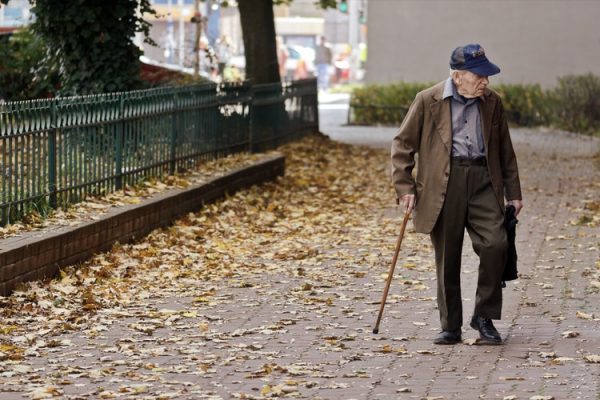
Elderly man wandering from California nursing home

What is Elopement and How Can It Be Nursing Home Abuse?

Elopement describes an act of wandering outside or throughout a facility, normally done by a person with a disease like dementia or Alzheimer’s. Elopement typically takes place when a facility fails to provide adequate care, which can lead to a resident wandering around and even leaving the facility. A facility may fail to provide adequate care because of improper training, not following policies and procedures, and understaffing.

In many of these cases, the facility was aware of the fact that the senior may have been more susceptible to eloping because of their history of neurological diseases. However, the facility neglected to take the proper precautions to prevent this from happening.

How Common Is Elderly Elopement?

Studies have shown that in the United States, approximately 35,000 patients wander from their homes each year. It is also estimated that anywhere from 13% to 24% of elderly adults experience instances of elopement or wandering.

According to Alzheimers.about.com, elopement or wandering happens in up to 60% of people with dementia. This is one of the many reasons that it is so important for nursing home and assisted living facilities to take the necessary precautions to make sure that their patients are secure and safe.

These facilities need to have procedures in place in order to prevent patients from leaving facilities too easily without any supervision. With proper staffing of security personnel, nursing home facilities can help prevent most instances of elopement neglect and may therefore prevent serious injuries or death.

How Does It Occur?

Residents of nursing homes who have a tendency to wander may have a mental impairment, which leads them to believe that they have something important to accomplish or somewhere they must go.

For example, a person with dementia may believe that they must leave to go feed their dog at home or leave to take care of a family member. Any memory from a patient’s past may trigger the feeling that they need to leave the nursing home immediately to tend to something important and urgent.

Wandering and elopement may also happen due to changes in a patient’s medication, their experience of an unwelcome change, or feeling overwhelmed with a new living arrangement. These instances can occur when an elderly person leaves to use the restroom on their own without any staff members around to help. They might get up to go to the restroom, but then forget where they are going due to mental impairment and end up going out the front door.

Elderly man pondering the dangers of elopement in assisted living facilities.

What Are the Dangers of Elopement in Assisted Living Facilities?

While instances of elopement that are quickly noticed and properly addressed may not have disastrous consequences, there may also be serious consequences for wandering patients that fall through the cracks. Nursing home residents who wander may fall and suffer serious injuries, such as broken bones, lacerations, sprains, and bruises.

These injuries can be particularly severe in elderly individuals. With elopement, there is also the risk that a person actually leaves the facility, resulting in their disappearance and any number of dangers, including getting hit by a car or a train or drowning in a nearby body of water.

Elopement is a serious concern that anyone who works in a nursing home, assisted living or long term care facility should be aware of. Preventing patients from wandering is an important aspect of patient care.

What is the Difference Between Wandering and Elopement?

It is considered wandering when an elderly nursing home resident who is cognitively impaired or otherwise not capable of protecting him or herself from harm moves about inside the facility without an awareness of personal safety needs, potentially putting themselves at risk for harm. Elopement is a similar concept to wandering; however, with elopement, the elderly nursing home resident actually leaves the facility, unnoticed, and unsupervised.

With both wandering and elopement, there are serious risks of harm that could befall elderly residents. Nursing home facilities need to take steps to avoid these incidents and have precautions in place.

Risks of Wandering in Nursing Homes

It is important to keep in mind that instances of elopement are not unique to patients with Alzheimer’s or other dementia-related issues. Patients who have elevated levels of stress, sleep disorders, anxiety, and aggressive tendencies may also have wandering episodes.

Of course, nursing home residents who have physical conditions that prevent their mobility tend to be less prone to elopement than other residents who are able to walk more easily. Residents who are able to walk with full mobility but have impaired mental function are typically the most at risk for elopement incidents. These residents should be closely monitored by the nursing home staff.

Additionally, if any elderly person has a history of previous elopement episodes, it is beneficial for family members to let the staff know about it so that they can be ready to help prevent future incidents of elopement from occurring. Providing information to the staff about prior incidents can reduce your elderly loved one’s risk in the future.

There are many tools available in psychiatric care which can be used to help predict which patients are more likely to wander. One of these tools is the Cohen-Mansfield Agitation Inventory (CMAI). The CMAI uses a rating scale that is based on 29 related behaviors. Tests like the CMAI can be used to help decrease episodes of elopement and wandering in nursing homes, which will also decrease potential injuries.

Elderly individuals with dementia or other cognitive impairments are also more prone to experiencing injuries as a result of their wandering. It is important for nursing home facilities to regularly check up on the residents’ elopement histories in order to assess the probability of other individuals wandering—even if they have not done it in the past.

Elderly man with nurse at nursing home in California

How Can Elopement in Nursing Homes Be Prevented?

Since elderly nursing home residents can suffer serious injuries due to elopement and wandering without supervision, it is important to find ways to prevent these instances from occurring in the first place. In addition to administering tests to find out what patients are at the highest risk for elopement, it is also necessary to have proper training practices.

Proper Training to Prevent Neglect

Staff members who work in nursing homes must receive proper training in order to be able to sufficiently deal with elopement and ensure security measures are in place. Staff members must also remain vigilant to make sure that nursing home residents do not leave the facilities without supervision and a proper exit procedure.

The best way to prevent elopement in nursing homes is to ensure the nursing home staff has the proper training and actively remains vigilant while working. It is crucial for the nursing home staff to have an understanding of the residents’ habits and day-to-day activities.

An Understanding of Nursing Home Residents’ Needs and Conditions

Nursing home staff should also be familiar with the residents’ individual mental and physical conditions. Since residents who suffer from mental conditions may have an increased likelihood of elopement, it is important that the staff is aware of these conditions and understands that these residents may need to be more closely watched. Instances of elopement often occur as a result of too little supervision on the part of the nursing home and its staff.

Alarm Systems and Procedures

Additionally, nursing home exits that are not generally used by the residents should either be equipped with an alarm system or securely locked. While it is important for nursing home staff to keep a close eye on the residents, it is also important for the staff to ensure that the alarms on any exists are working properly in the event someone is able to slip past their attention. The nursing home staff will also need to promptly respond to any alarms that go off, signaling that a resident has attempted to leave the building unsupervised.

Other ways to prevent elopement / wandering include tracking systems for residents and ensuring that windows have locks and any exits are monitored. Video surveillance can also be helpful as a monitoring tool.

Elopement in Nursing Homes Oceanside Stairs

Elopement and Nursing Home Neglect

If a nursing home fails to enforce the necessary security measures in place to avoid patients from wandering, the nursing home may be responsible for nursing home neglect.

Another example of negligence is if the nursing home staff does not act in a reasonably timely manner when an alarm signals a potential wandering patient. If you have concerns that a nursing home facility or any of its staff members have been negligent in any way regarding a patient’s care, it may be necessary to file a lawsuit to hold them responsible for their actions (or inaction) so that it doesn’t happen again to someone else in the future.

Nursing Home Abuse and Neglect Lawsuits

There are certain rules and regulations that nursing home facilities must follow. If a nursing home or assisted living facility fails to sufficiently protect or care for its residents, serious injuries and even death may occur.

In these cases, the injured person (or a family member, on their behalf) can file a lawsuit against the nursing home facility. By filing a lawsuit, the injured person will make a claim for the damages that they suffered due to the nursing home’s negligence.

It is always a good idea to hire an experienced nursing home abuse and neglect attorney to handle your case, rather than pursuing it on your own. These matters can have complex legal issues that are often outside the scope of anyone who is not an attorney familiar with this area of law.

In most cases, your attorney will review your medical records and also request incident records from the nursing home facility. Your attorney may also consult with experts, such as doctors or nurses as their opinions may be beneficial to your case. If your case goes to trial, these experts may then testify on your behalf.

Compensation for injuries may include money for the pain and suffering that the injured person endured, as well as payment of all past and future medical bills that are related to injuries from the incident. Many nursing home abuse and neglect cases settle before going to trial, so filing a lawsuit does not necessarily mean that you will need to move forward with a trial in your case.

If a settlement offer is made in your nursing home abuse or neglect case, your attorney will discuss the offer with you and let you know if they think it is fair and reasonable. It will always be your decision whether or not to accept a settlement offer.

Should You Hire a Nursing Home Abuse Lawyer?

If you or a loved one has experienced abuse or neglect, which caused elopement or wandering-related injuries, a speaking with an attorney with experience in the field of nursing home abuse can help. If the nursing home or assisted living facility was negligent in any way, they might be legally responsible for any injuries that occurred due to the elopement or wandering incident.

Many people are hesitant about taking legal action, as they simply do not know where or how to begin. You can learn more about your legal rights and how to move forward with a nursing home abuse lawsuit by contacting the attorneys at the Peck Law Group today.

Our attorneys have many years of experience successfully handling nursing home abuse and neglect cases. At the Peck Law Group, we know what it takes to fight for our clients’ rights. Speak with an attorney today for free and get answers to your questions or find out if you have a case for elopement in nursing homes, assisted living facilities, or other long-term care.

Bed Sores in California

Bed sores in Hospital Beds California

Bed sores (also called pressure ulcers, pressure sores, or decubitus ulcers) are a common injury caused by nursing home abuse or neglect of elderly patients. These injuries can become serious and require medical treatment—but it is also important to be aware that bed sores can also be an indicator of ongoing abuse and neglect. If you or a loved one has experienced a bed sore injury while living in a nursing home or assisted living facility, you should take action right away.

How Do Bed Sores Develop?

Bed sores are caused by a lack of oxygen and blood flow due to continuous pressure on a particular area of your body. These sores tend to develop on areas that have prominent bones beneath very thin layers of skin, such as the lower back, ankles, heels, tailbone, hips, elbows, and spine.

Bed sores can vary greatly in severity. Minor bed sores present with some skin reddening, while severe bed sores may develop into deep wounds that expose bone and muscle.

Nursing Home Abuse and Bed Sores

These injuries tend to be common among elderly people who reside in nursing homes and assisted living facilities. The presence of bed sores may be a sign of caregiver neglect, restraint, and other forms of elderly abuse. Nursing homes and assisted living facilities may be at fault for these injuries because of insufficient staffing and caregiver neglect, such as failing to move the patient in accordance with the standard of care.

If you believe that your elderly loved one has developed bed sore injuries as a result of abuse or neglect, it is important to seek help right away. A nursing home abuse attorney can help you and your loved one by pursuing action against the nursing home or assisted living facility. Your loved one may be eligible for compensation for their injuries. Contact the Peck Law Group today to schedule a consultation with one of our attorneys.